Black coral
Antipathes dichotoma
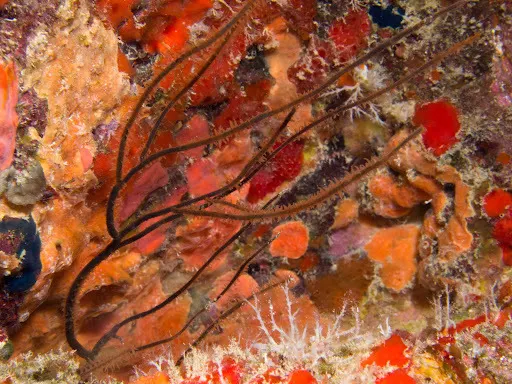
Black by name, yet underwater it sways like a golden bush – the black coral is the protected, legendary resident of the deeper walls.
The name of the black coral (Antipathes dichotoma) is deceptive: underwater you see nothing black at all, but a greyish, greenish or golden-yellow finely branched bush reaching from the deeper walls into the current. The black refers to its horny, thorny skeleton, completely hidden in life by the pale living tissue. Those thorns gave the order its scientific name too: the Antipatharia are also known as thorn corals.
Unlike stony corals it builds its skeleton not from limestone but from flexible protein and chitin – the source of that characteristic bone-hard yet springy material that has been polished into jewellery for centuries. That became its curse: black corals were so over-harvested worldwide that the entire order is now protected under CITES. It grows very slowly and lives extremely long – some deep-sea relatives rank among the oldest living animals on Earth, with colonies thousands of years old.
At Hurghada it lives on the deeper, current-swept walls, typically below 25–30 metres: the walls of Carless Reef and Umm Gamar are your best chances, and with luck you may spot the rare longnose hawkfish perched among its branches. If a beach bazaar offers you black coral jewellery, know this: it was made from a protected animal and exporting it is illegal – the most beautiful black coral is the one still swaying on the wall.
Did you know?
Black coral is the Methuselah of the deep: colonies of some related species are over 4,000 years old – already growing when the pyramids of Giza were being built.
Where can you meet it?
Your best chance is on the deep, current-washed walls of Carless Reef and Umm Gamar, below 25 metres – it calls for an advanced deep-dive programme.
Frequently asked questions
Because only its skeleton is black: the thorny chitinous inner axis is dark as ebony, but in life it is completely covered by pale yellowish, greenish or greyish polyp tissue. You only really see the black on a dead, stripped skeleton – polished into jewellery, for instance.
Don't. Black corals are CITES-protected: collecting them damages the reef, exporting them without a permit is illegal, and customs can confiscate them – with a fine attached. The same goes for every coral souvenir: what grew in the sea should stay in the sea.
At Hurghada typically below 25–30 metres – black coral avoids strong light and grows on deep, shaded walls. That means an Advanced Open Water level deep dive; in return you may find rarities like the longnose hawkfish perched in its branches.
Best sites for Black coral
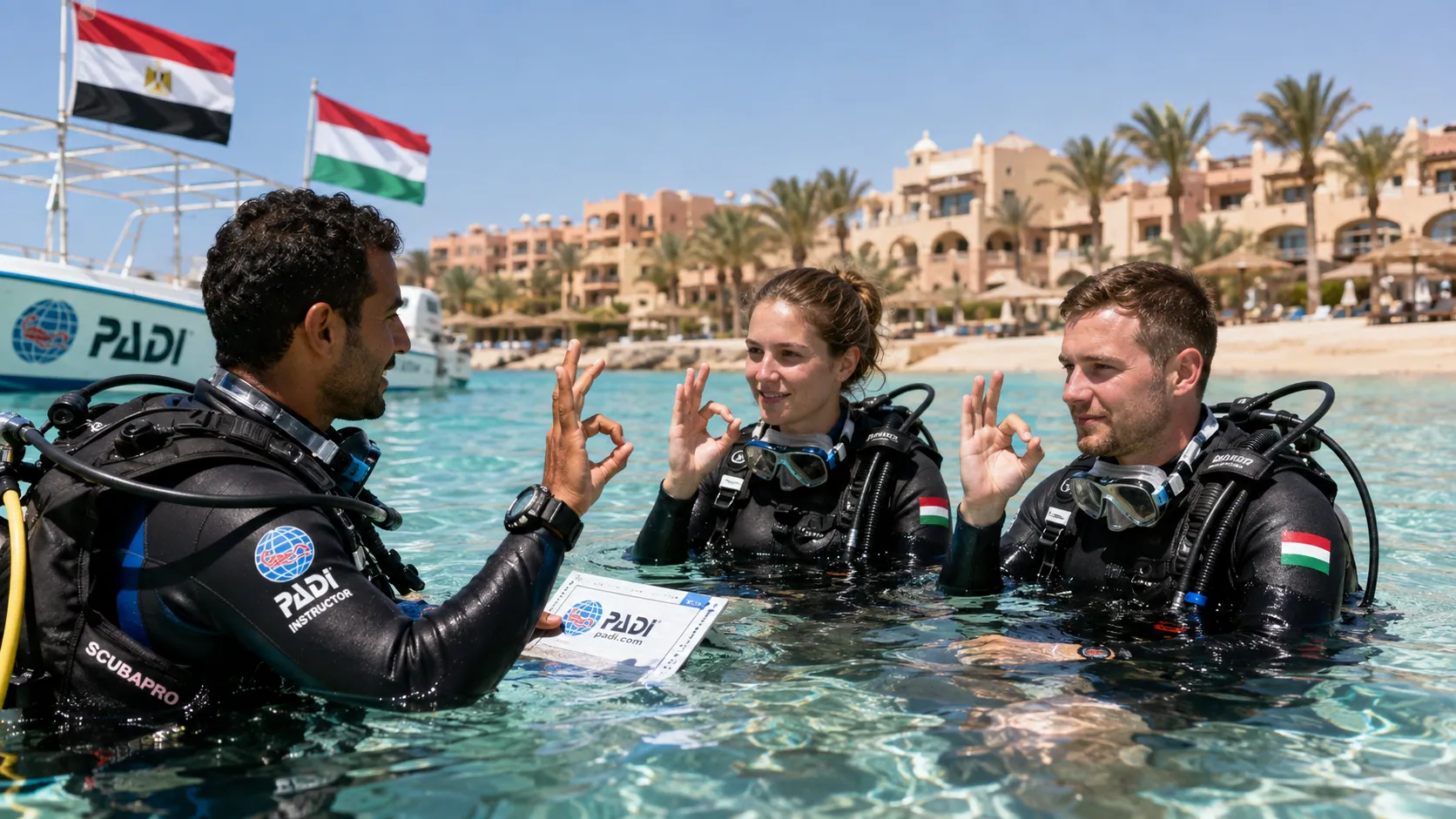
Carless Reef
An offshore twin-erg reef famous for its legendary moray colony – for experienced divers, weather permitting.
- Depth
- 12–30m
- Boat
- 70min
- Species
- 5
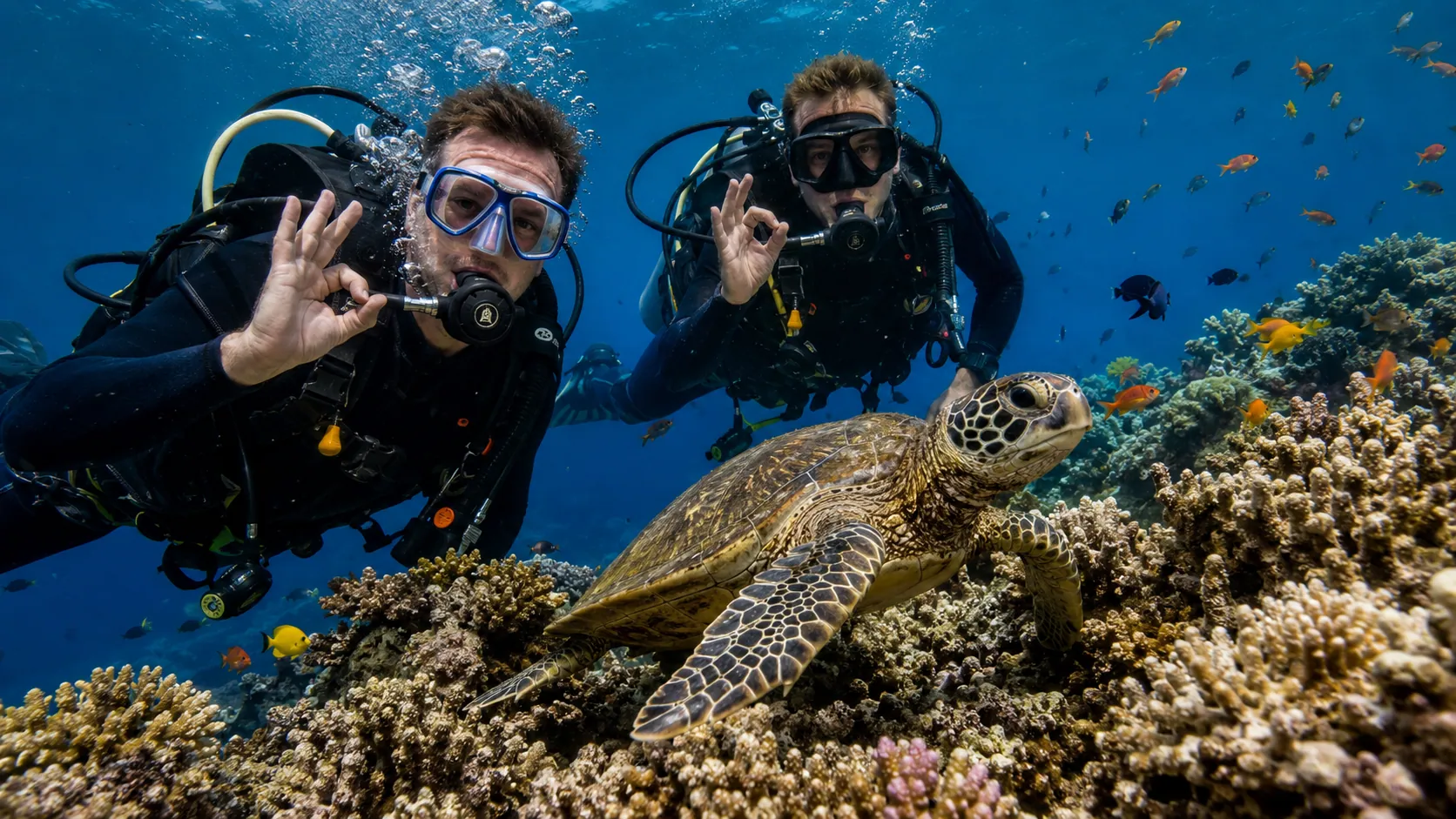
Umm Gamar
An elongated island in the north: a plateau with three coral towers, small caves and big predators out in the blue.
- Depth
- 10–30m
- Boat
- 75min
- Species
- 5
The Red Sea will not wait forever.
Book today – seats on the boat are limited, your excitement is not.