Humpback snapper
Lutjanus gibbus
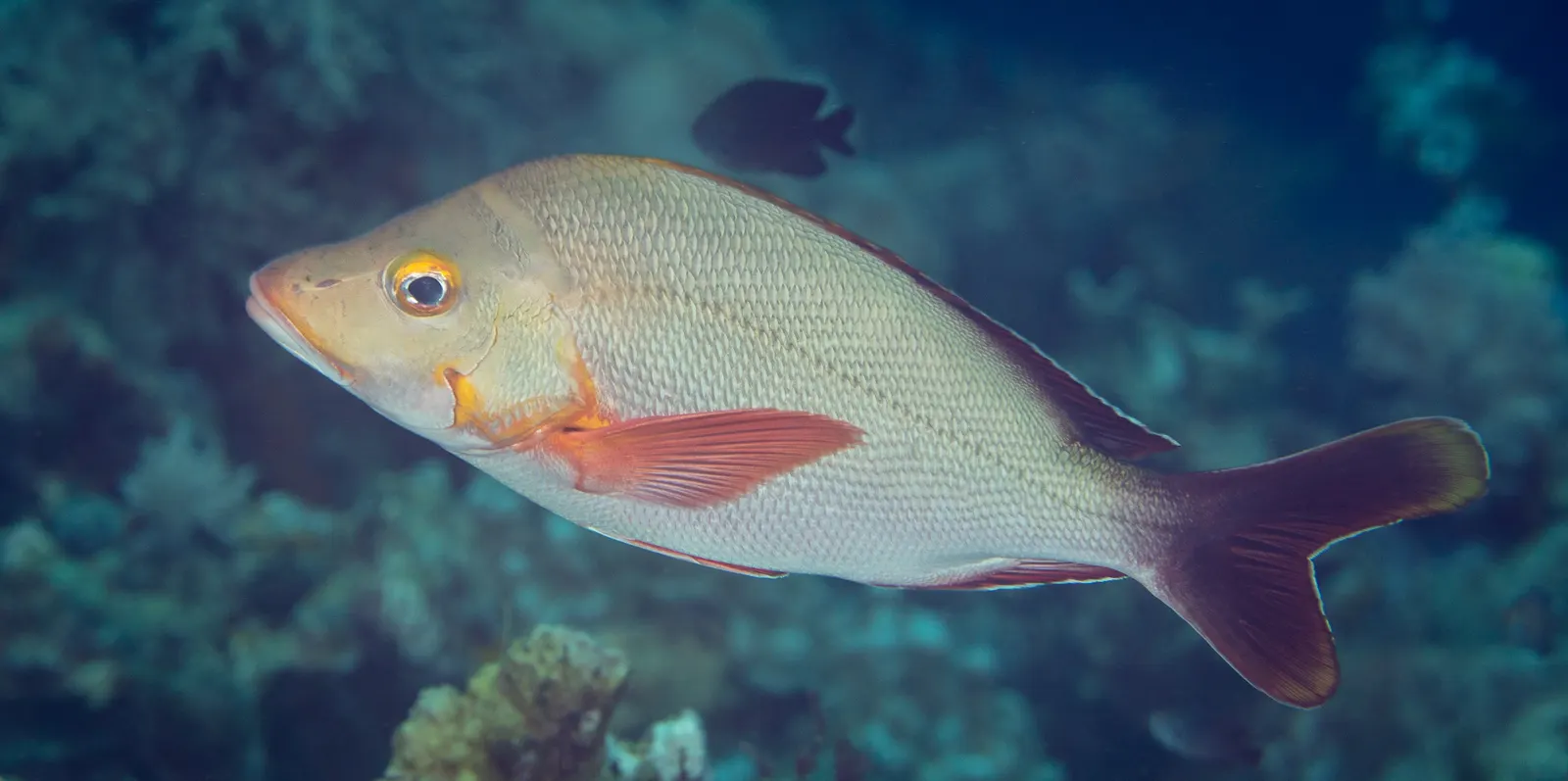
A rosy-red, high-backed snapper that spends the day hovering in dense, motionless schools over the reef like a crimson cloud.
The humpback snapper (Lutjanus gibbus) owes its name to its steeply rising forehead and back, which give it a distinctly "humped" profile. Its colour ranges from rosy red to deep crimson with darker fins, and the deeply forked tail with rounded lobes is unique enough to earn it the English nickname "paddletail". Adults of 35–40 cm are compact and powerfully built.
By day the species packs into spectacular, dense schools: dozens or even hundreds of fish hover almost motionless beside a coral block or pinnacle, heads turned slightly into the current. This daytime gathering is for rest and protection – a predator struggles to pick a target out of the red mass. At night the school scatters and the fish hunt crabs, shrimps and small fish over the sandy rubble, returning to the very same block by dawn.
Around Hurghada, humpback snapper schools are a trademark of the lagoon-and-pinnacle reefs: you will almost always find a crimson cloud around the coral towers of El Aruk and the blocks of Gota Abu Ramada, and you may run into them snorkeling over the shallow Shaab Sabina reef too. Approach slowly, drifting with the current: the school simply "opens" in front of you and closes behind – it feels like swimming through a living curtain.
Did you know?
Humpback snapper schools are faithful to their spot: they scatter to hunt each night but return to the very same coral block at dawn – some schools gather in the same place day after day for years.
Where can you meet it?
A school almost always hovers around the coral towers of El Aruk and the blocks of Gota Abu Ramada, and you can also meet it snorkeling on the shallow Shaab Sabina reef.
Frequently asked questions
No, it is completely harmless to divers and snorkelers. The schools are so relaxed that they often hover within arm's reach – just enjoy the show.
Yes – on the shallower lagoon reefs such as Shaab Sabina the schools often hover in just a few metres of water, so the crimson fish cloud is clearly visible from the surface.
Any time during the day: the schools hover in the same spot, at the same coral block, from morning to afternoon. On a night dive, however, the cloud is gone – the fish are out hunting individually over the sand.
Best sites for Humpback snapper
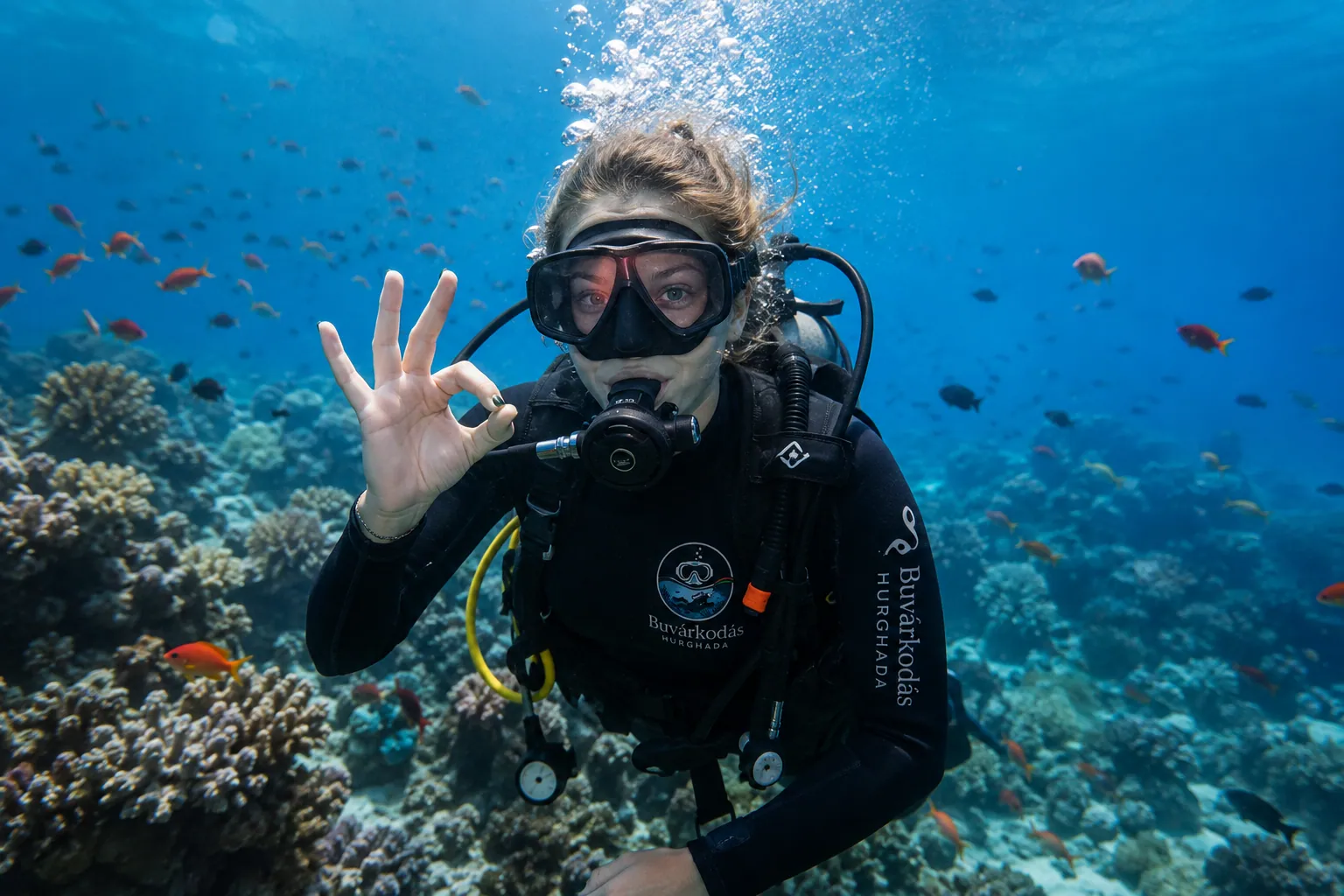
El Aruk (Gigi)
A playground of coral towers on white sand: easy navigation, clouds of glassfish and light made for photography.
- Depth
- 5–14m
- Boat
- 35min
- Species
- 5
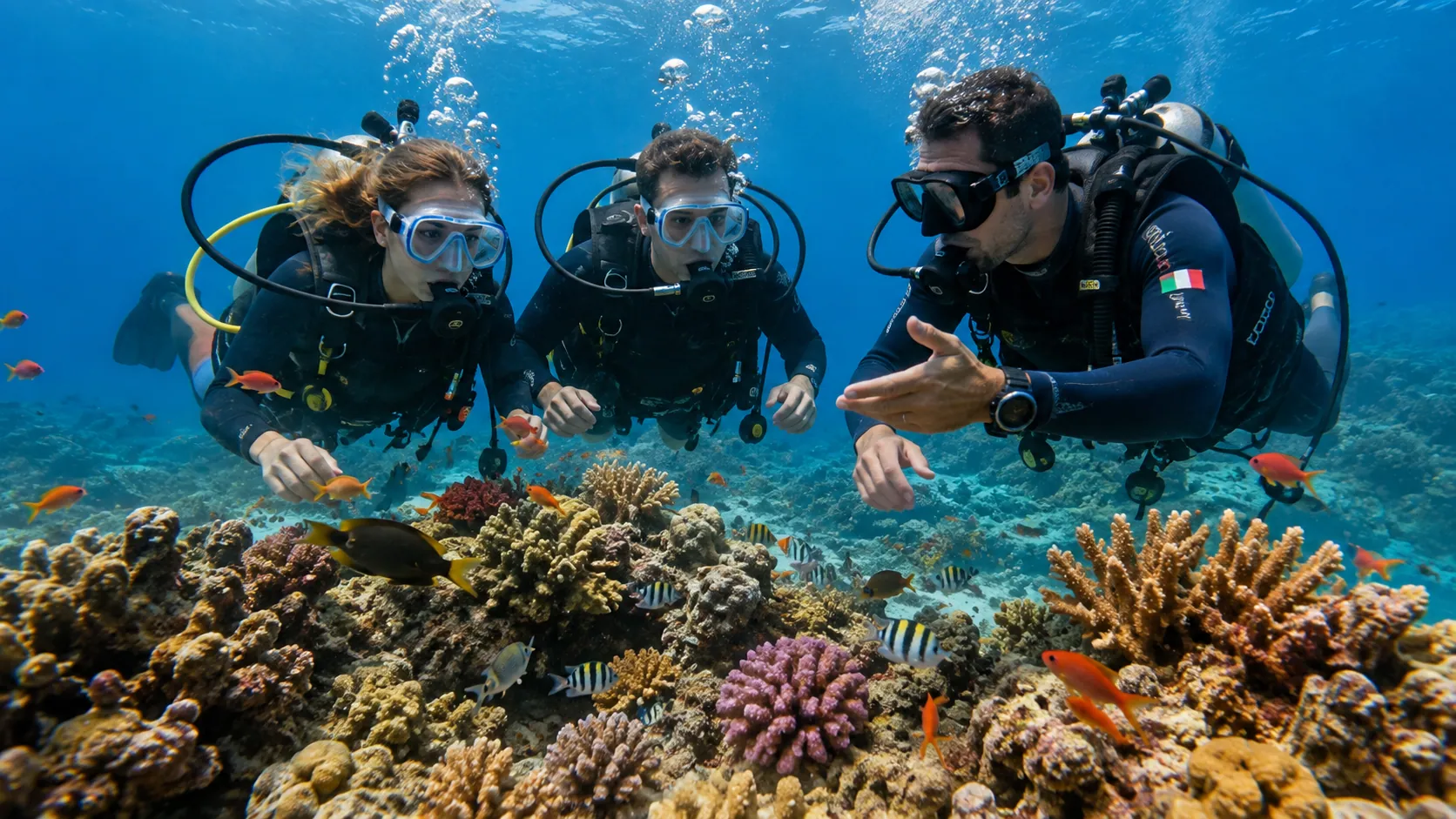
Gota Abu Ramada
A shallow oval reef with a sandy bottom and schools of butterflyfish – perfect for training, second and night dives.
- Depth
- 4–14m
- Boat
- 55min
- Species
- 5
Sha'ab Sabina
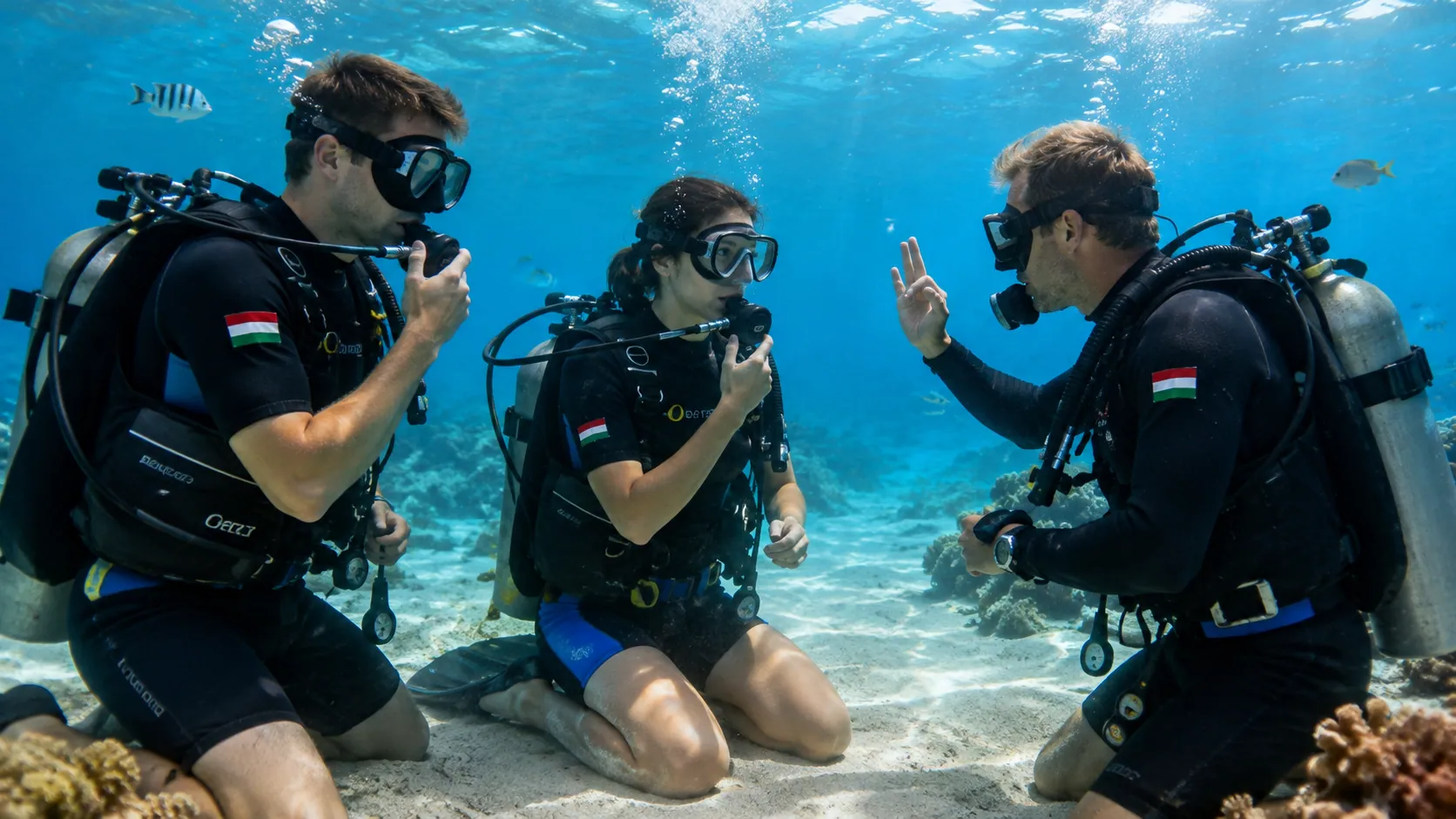
A sheltered shallow reef with a sandy lagoon – this is where most of our try dives and OWD skill sessions happen.
- Depth
- 4–12m
- Boat
- 40min
- Species
- 5
The Red Sea will not wait forever.
Book today – seats on the boat are limited, your excitement is not.