Lesser knob coral
Cyphastrea serailia
A modest, encrusting coral whose surface is dotted with tiny pinhead-sized cups – a tough settler of the reef's shadier corners.
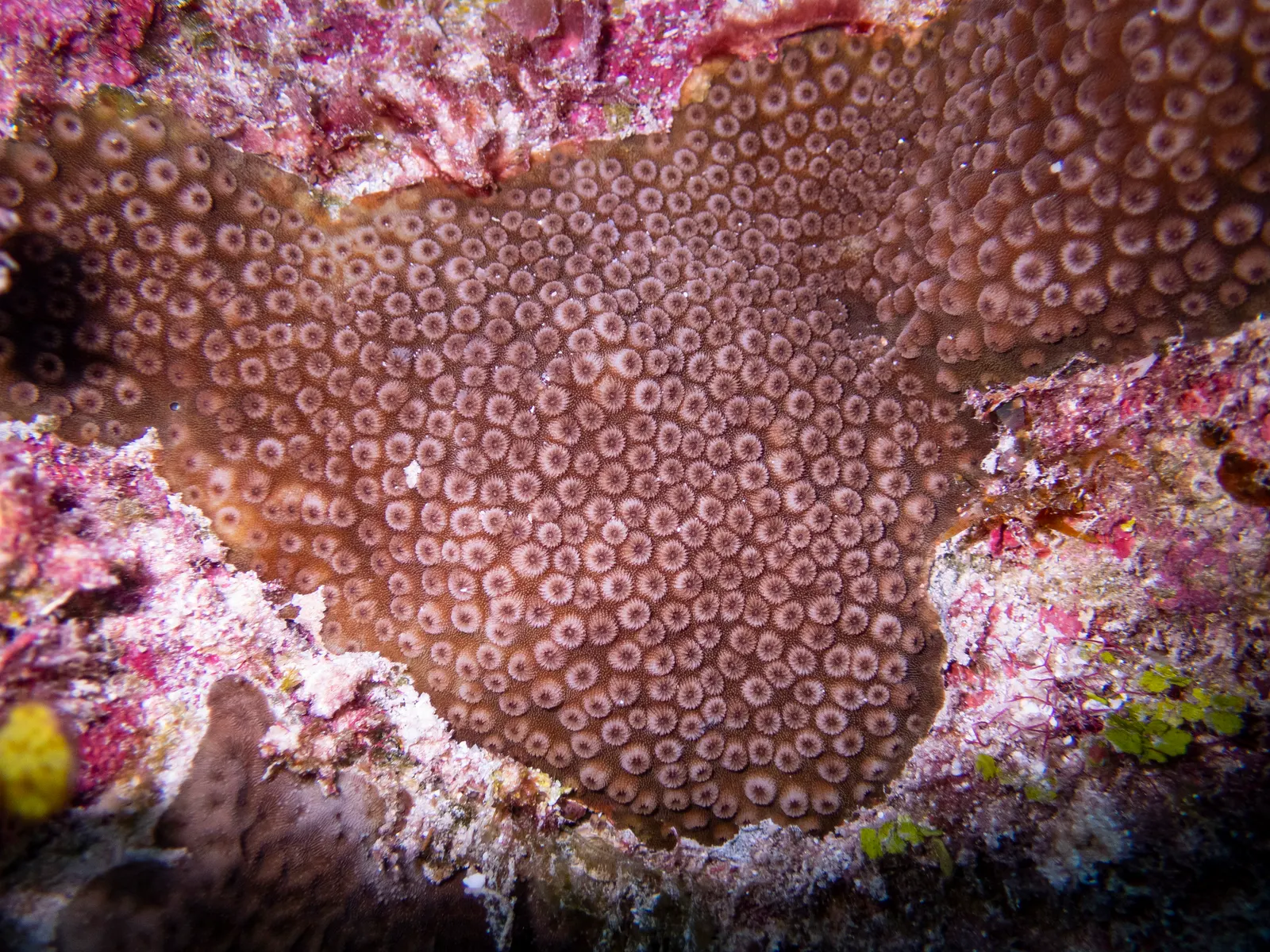
The lesser knob coral (Cyphastrea serailia) is not one of the reef's showy giants, yet it is worth learning to recognise: its encrusting or cushion-like, sometimes knobbly colony is covered in tiny round corallites barely 2 millimetres across, rising from the base tissue as little bumps. It is usually brown, cream or olive-green, and the rims of the cups are often paler, giving the surface a finely speckled look – as if someone had scattered it with pinheads.
Cyphastrea also lives in symbiosis with zooxanthellae: the photosynthesising single-celled algae in its tissues supply most of its energy, so it needs light – but the genus is famously tolerant of dimmer conditions and murkier water, thriving in spots where many other corals would give up. It grows slowly, thickening only a few millimetres a year, and reproduces by mass spawning: on summer nights it releases gamete bundles into the water, and the larvae readily settle even on shaded, vertical surfaces.
Around Hurghada you can discover it on the lower, shadier parts of reef slopes, under overhangs and even on the metal surfaces of wrecks – you have a good chance of finding colonies around the El Mina wreck and on the walls of Umm Gamar, though it also occurs on shallow reef tops, so it may cross your path while snorkeling. Its very modesty makes it easy to grab or kneel on by accident: don't. Every touch damages the living tissue, and a 30-centimetre colony can represent decades of work – hover, look, photograph, but leave it untouched.
Did you know?
Under UV light Cyphastrea is one of the most spectacularly fluorescent corals: the brownish colony blazes neon green and orange on a night fluo-dive – which is exactly why marine aquarists adore it.
Where can you meet it?
Look for it on shadier walls and under overhangs: it appears regularly on the El Mina wreck, the walls of Umm Gamar and the slope of El Fanadir.
Frequently asked questions
Size is the key: the round cups covering its surface are barely 2 millimetres across – far smaller than those of similar star corals. If you see a brownish, encrusting colony densely speckled with pinhead bumps, chances are you have found a Cyphastrea.
Cyphastrea is one of the hardiest hard-coral genera: it gets by with less light and murkier water than most of its relatives. That is why it is among the first to settle on wreck metal and shaded stretches of wall – where other corals could not cope, it quietly keeps building.
Absolutely not. "Tough" refers to its environmental tolerance, not to touch: the thin living tissue is damaged by a single hand placement, and the wound can open the door to algae and disease. The rule is the same for every coral – look, don't hold.
Best sites for Lesser knob coral
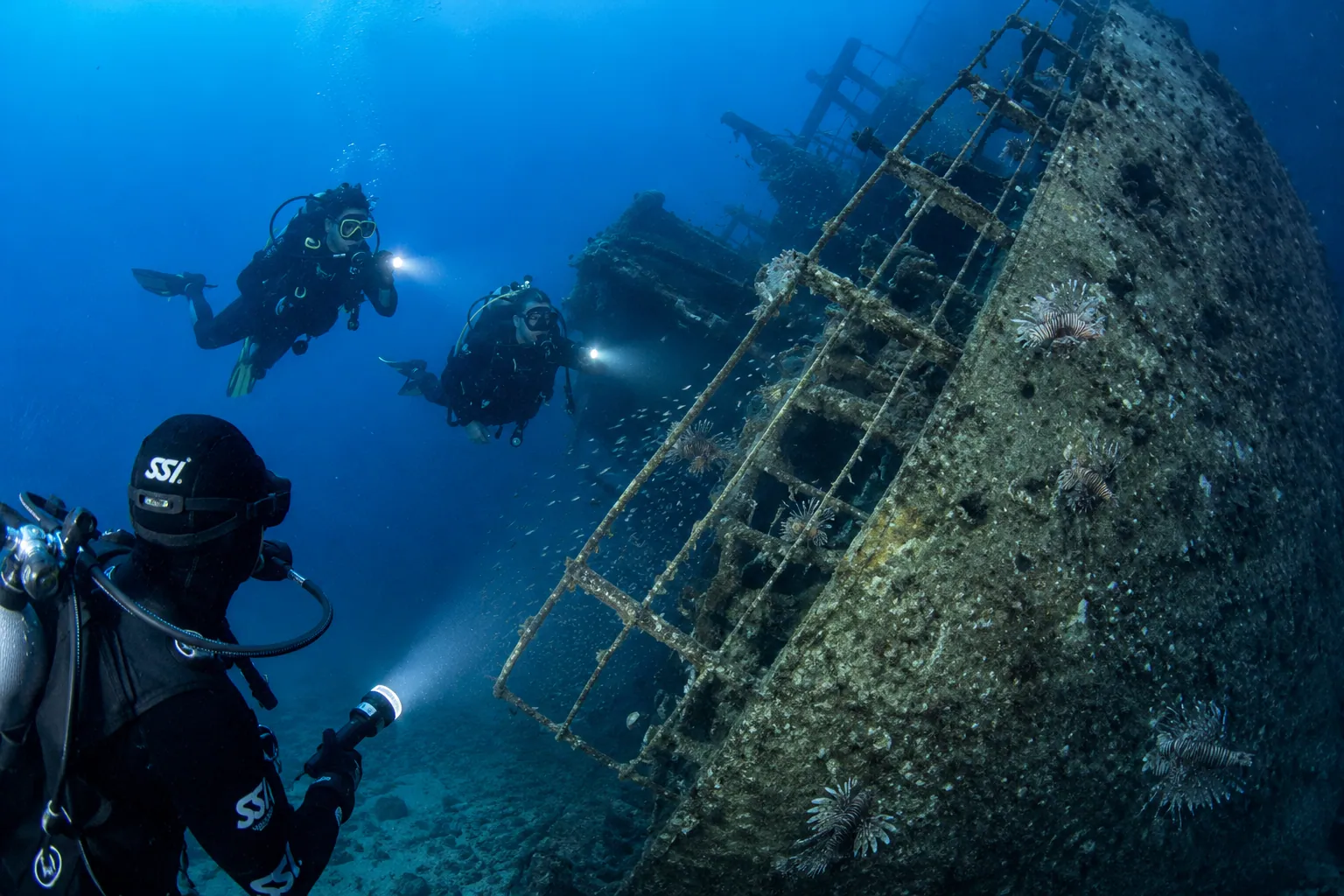
El Mina roncs
A genuine warship wreck 20 minutes from the marina: an Egyptian minesweeper sunk in 1969, resting on sand at 30 metres.
- Depth
- 16–30m
- Boat
- 20min
- Species
- 5
Umm Gamar
An elongated island in the north: a plateau with three coral towers, small caves and big predators out in the blue.
- Depth
- 10–30m
- Boat
- 75min
- Species
- 5
El Fanadir
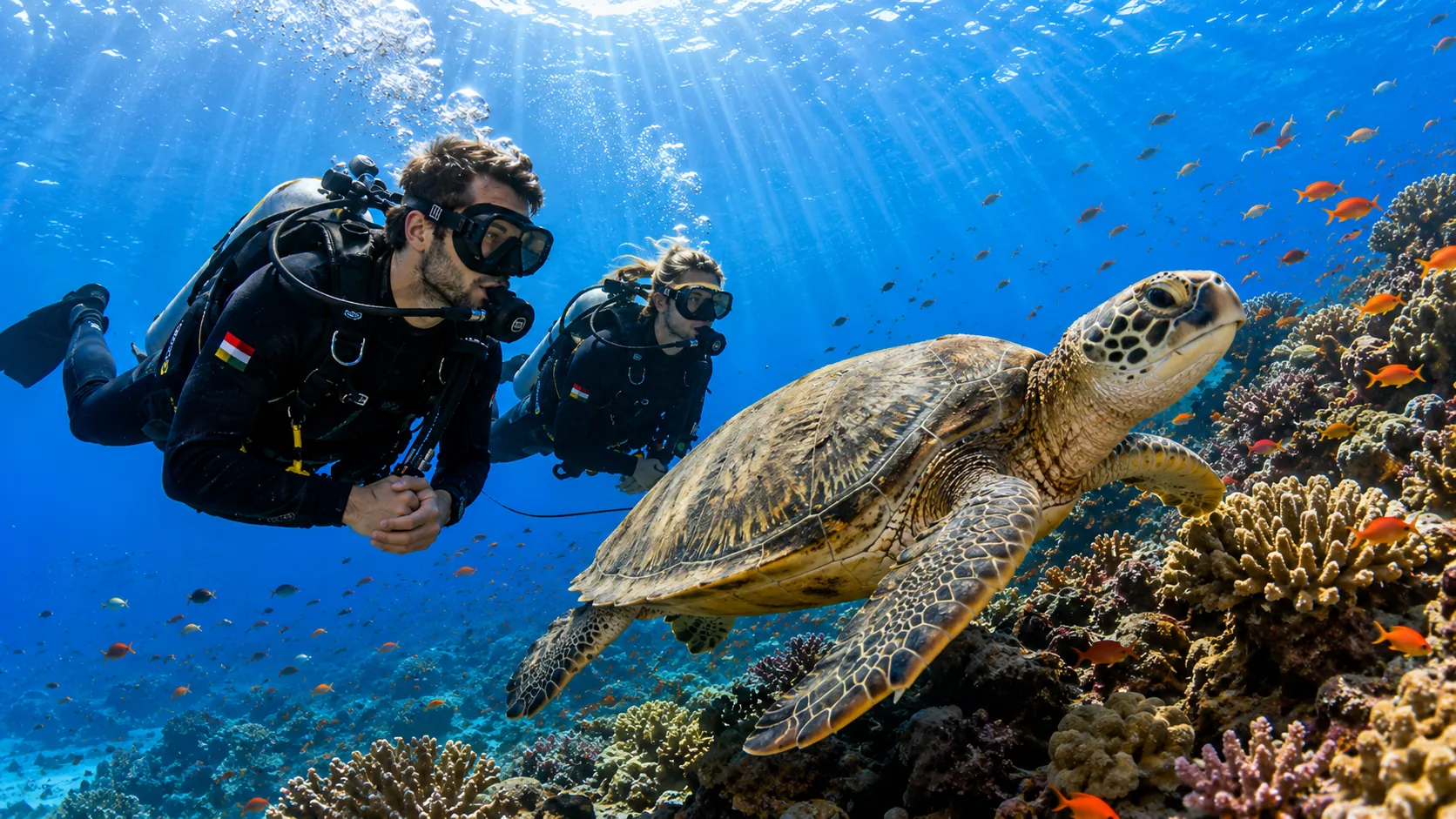
A long reef ridge barely half an hour from the marina: a gentle wall, blue-spotted rays and seagrass patches with turtles.
- Depth
- 6–25m
- Boat
- 30min
- Species
- 5
The Red Sea will not wait forever.
Book today – seats on the boat are limited, your excitement is not.