Moses sole
Pardachirus marmoratus
A flat master of sand camouflage whose skin secretion makes even sharks recoil – no wonder it comes wrapped in legend.
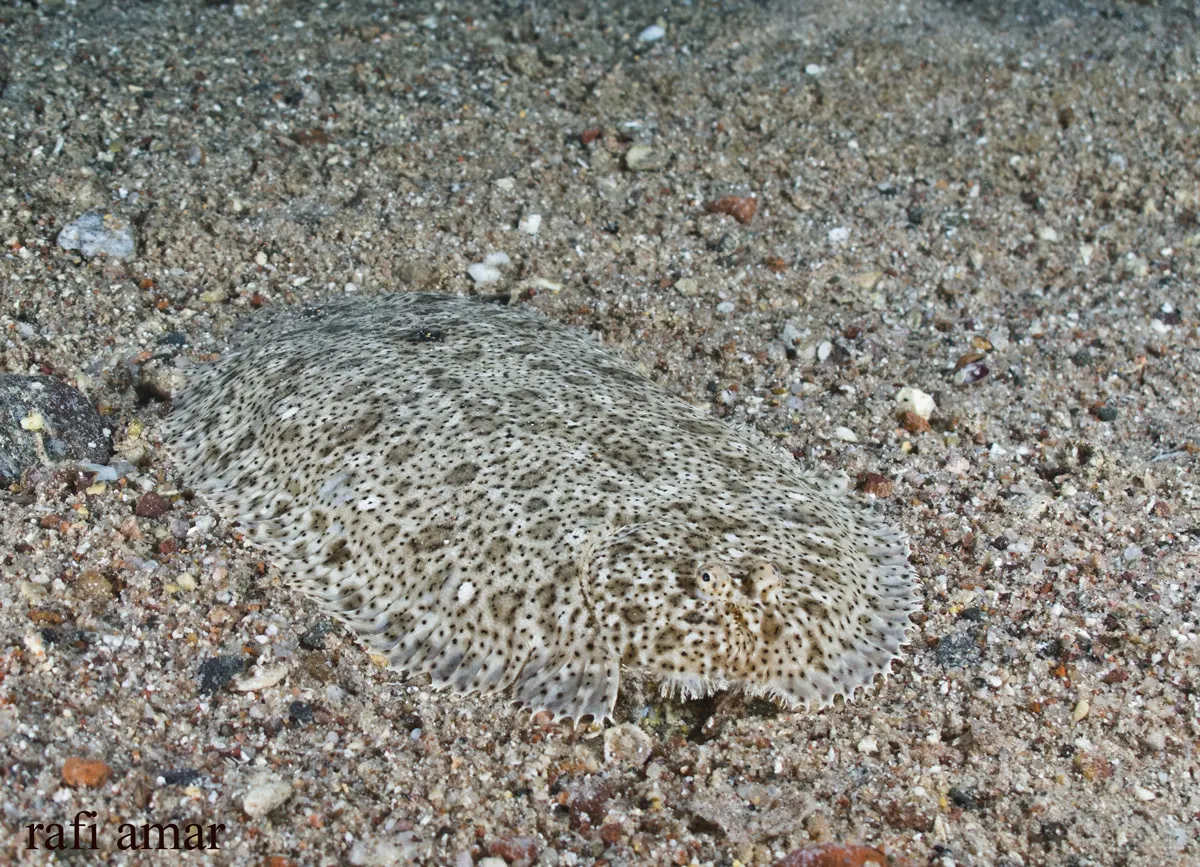
The Moses sole (Pardachirus marmoratus) is the hidden artist of the Red Sea's sandy bottoms. Its flat, oval body wears a marbled, sand-coloured pattern, both eyes sit on the right side of its body – as is the way with soles – and by day usually only the eyes and gill cover show above the sediment. Its name comes from an old legend: when Moses parted the Red Sea, a fish was said to have been split in two, and each half swam off to live its own life – and so the flatfish were born.
Its real fame, though, comes from chemistry. At the base of its fins it produces a toxic, milky-white secretion called pardaxin, which irritates the gills and mouth lining of attacking predators. In experiments even sharks instantly released a Moses sole the moment they tasted the secretion, and pardaxin was studied for decades as a potential shark repellent. The fish itself is a peaceful bottom-dweller, hunting small invertebrates in the sand at night.
Around Hurghada it lives on sandy plateaus and lagoon floors: the sand flats of El Fanadir and Abu Hashish and the lagoon of Shaab Sabina are the places to search. Finding one is not easy – cruise slowly over the sand and watch for a fish-shaped outline on the bottom or a patch of sediment that suddenly moves. If startled, it ripples away a few metres, then buries itself again with a single shudder.
Did you know?
In experiments the Moses sole's skin secretion, pardaxin, made sharks release their prey instantly with jaws agape – which is why the substance was long researched as a candidate for the perfect shark repellent.
Where can you meet it?
Search the sandy bottoms: you may spot a buried individual on the sand flats of El Fanadir and Abu Hashish or in the sheltered lagoon of Shaab Sabina.
Frequently asked questions
No: pardaxin irritates the gills of predatory fish and is practically harmless to humans – at most it could mildly irritate sensitive skin. The usual rule still applies, of course: watch and photograph, but do not handle.
Cruise slow and low over the sandy plateaus and look for outlines, not for a fish: often only a faint oval bump and two tiny eyes betray a buried sole. Our guides have trained eyes – tell them before the dive that you would like to see one.
Best sites for Moses sole
El Fanadir
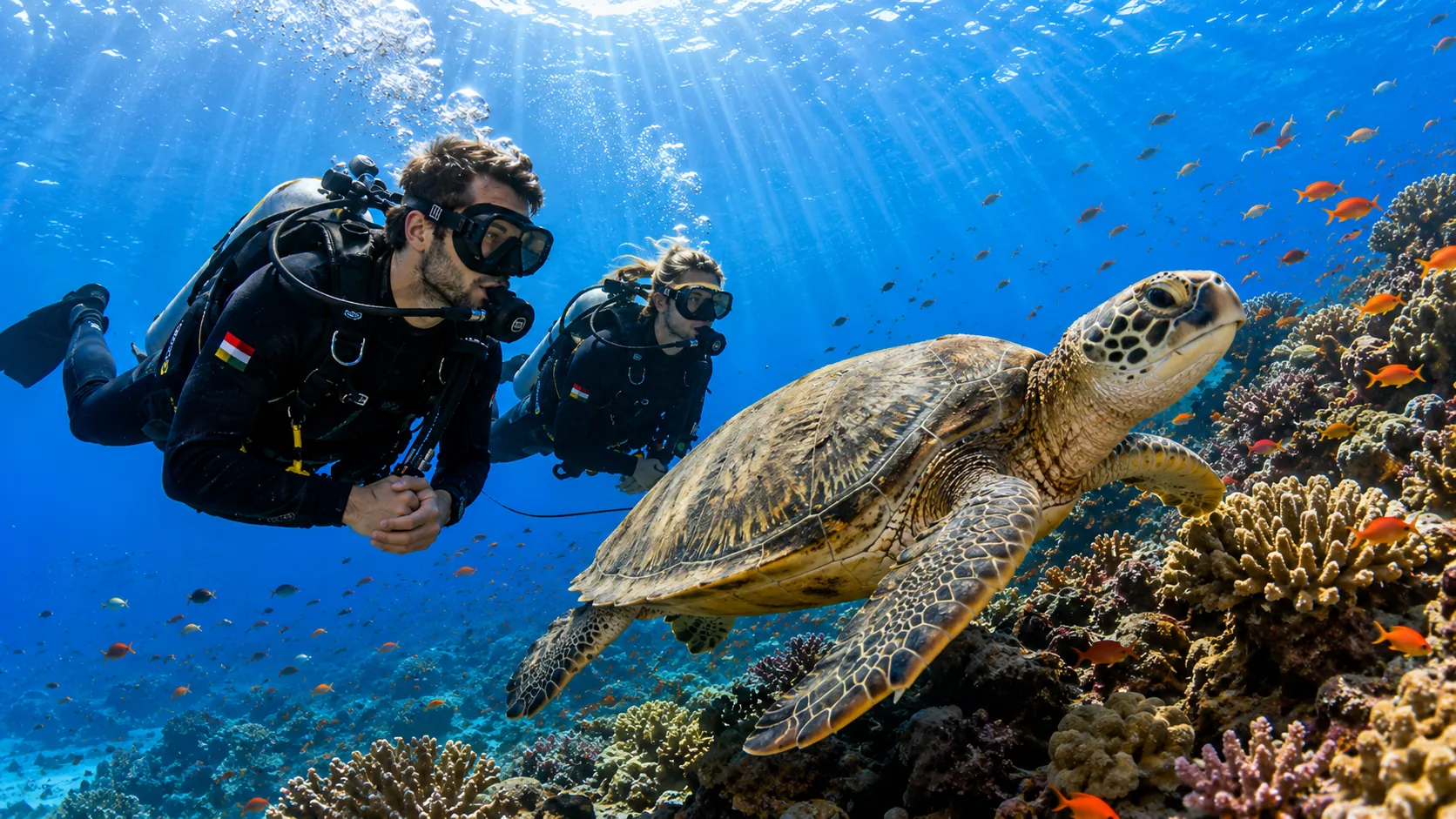
A long reef ridge barely half an hour from the marina: a gentle wall, blue-spotted rays and seagrass patches with turtles.
- Depth
- 6–25m
- Boat
- 30min
- Species
- 5
Abu Hashish-fok
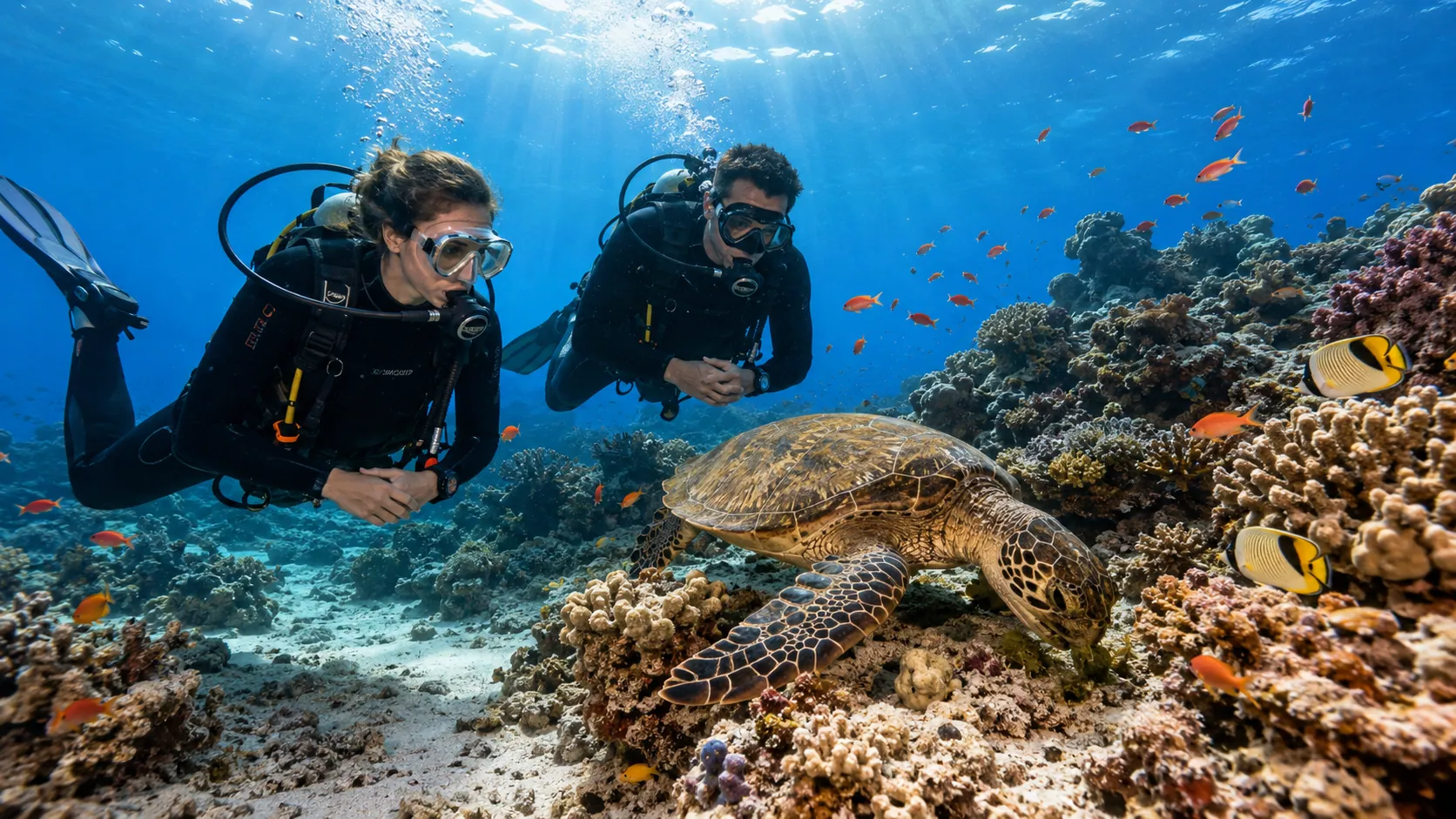
A quiet southern cape with seagrass meadows and an atmospheric cavern – turtles almost for sure, a dugong with some luck.
- Depth
- 5–20m
- Boat
- 60min
- Species
- 5
Sha'ab Sabina
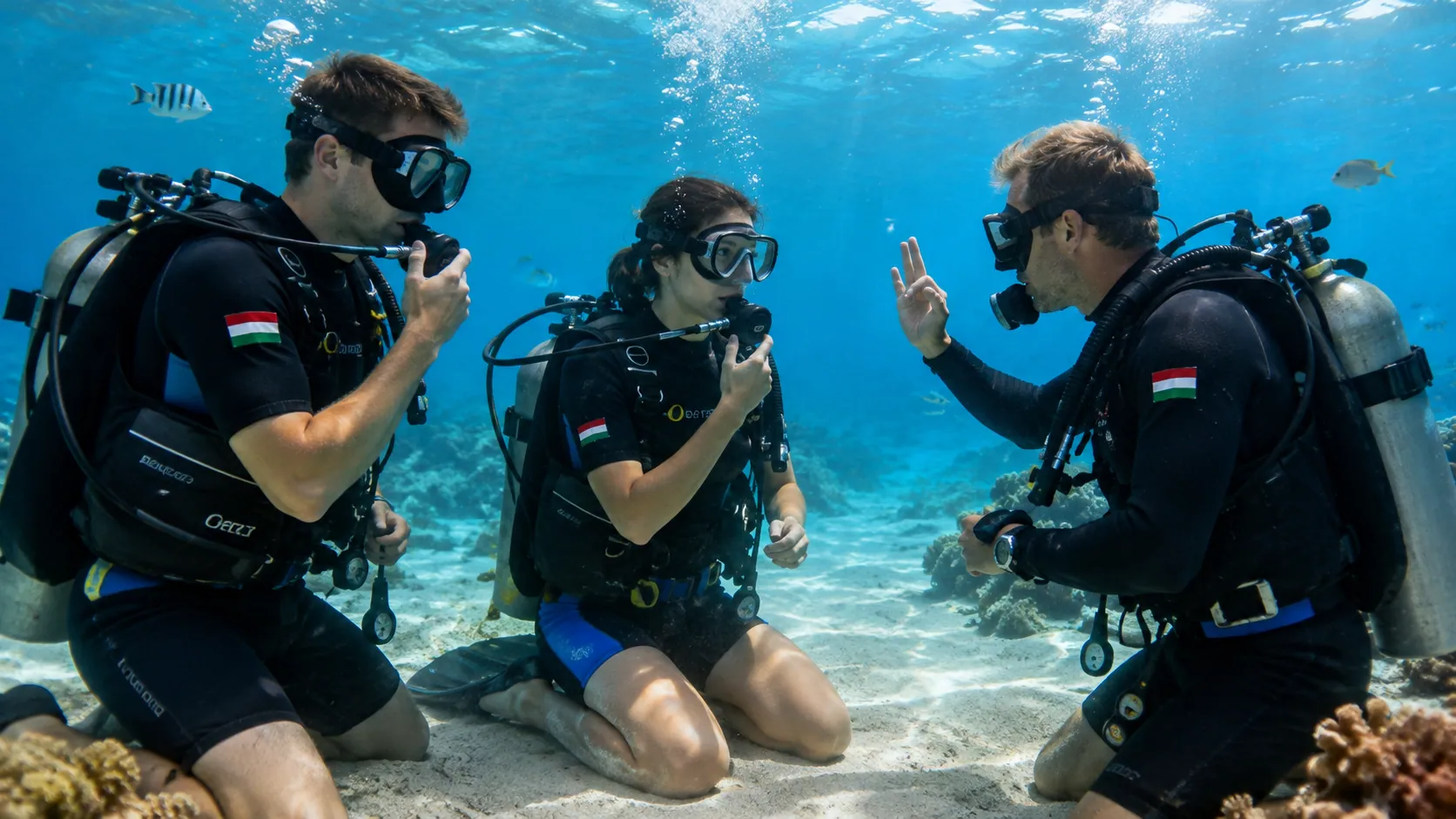
A sheltered shallow reef with a sandy lagoon – this is where most of our try dives and OWD skill sessions happen.
- Depth
- 4–12m
- Boat
- 40min
- Species
- 5
The Red Sea will not wait forever.
Book today – seats on the boat are limited, your excitement is not.