Pulsing xenia
Xenia umbellata
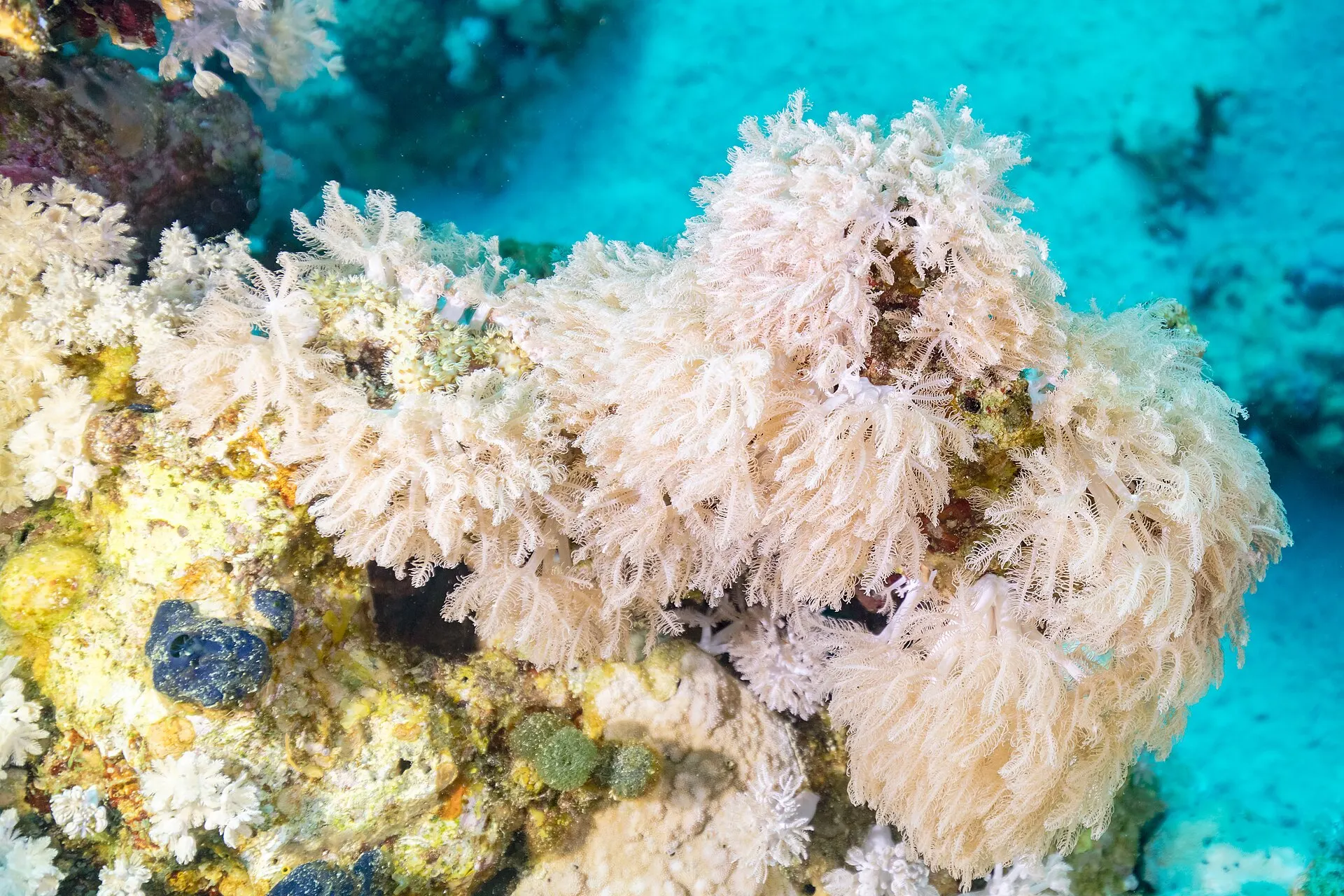
Thousands of tiny hands clapping in rhythm on the reef – the pulsing xenia is one of the very few animals on Earth that "claps".
At first glance the pulsing xenia (Xenia umbellata) does not look like a headliner: a few centimetres of pale cream or greyish-brown soft coral with small stalked umbrellas. Then you pause above it and notice what makes divers melt: the eight-armed feathery polyps open and close rhythmically, about once a second, like thousands of tiny hands clapping in unison. The effect is so hypnotic that many divers get stuck over a single colony for minutes.
Pulsing is the xenia trademark – in the animal kingdom it is extremely rare for a sessile creature to keep up constant rhythmic movement, because it burns a great deal of energy. For the xenia it pays off: the ceaseless "clapping" drives away the stagnant, oxygen-saturated water around the polyps, letting the symbiotic algae photosynthesise several times faster. The xenia essentially creates its own draught – researchers count it among the cleverest energy investments in the coral world.
It is very common on Hurghada reefs: on the shallow plateaus and reef tops it often forms carpet-like meadows that sway and pulse at the same time. You can watch it easily while snorkeling in the coral gardens of Gota Abu Ramada, El Aruk and the Giftun Islands. It is a fast-growing pioneer species, first to claim vacant surfaces – which also gives it a role in the healing of damaged reef patches.
Did you know?
Xenia polyps "clap" about once a second, boosting the photosynthesis of their algae partners severalfold – few animals on Earth move to a beat their entire lives.
Where can you meet it?
You can float over pulsing xenia meadows in the shallow coral gardens of Gota Abu Ramada, El Aruk and the Giftun Islands – the "clapping" is clearly visible even while snorkeling.
Frequently asked questions
For its own refreshment: the rhythmic clapping pushes away the stagnant, oxygen-saturated water around the polyps, letting its algae partners photosynthesise far more efficiently. It is as if the coral were constantly fanning itself – and the energy investment pays off handsomely.
No – most soft corals only sway with the current and have no rhythmic movement of their own. Active pulsing is the speciality of the xeniids; at Hurghada, Heteroxenia "claps" alongside Xenia. If a coral keeps a beat even in still water, you can be sure it belongs to this family.
You have it easy: xenia loves the shallow sunlit reef tops at 1–15 metres. You can see the motion while snorkeling, but the real treat is on a dive, watching from 30–40 centimetres as thousands of polyps open and close together.
Best sites for Pulsing xenia
Gota Abu Ramada
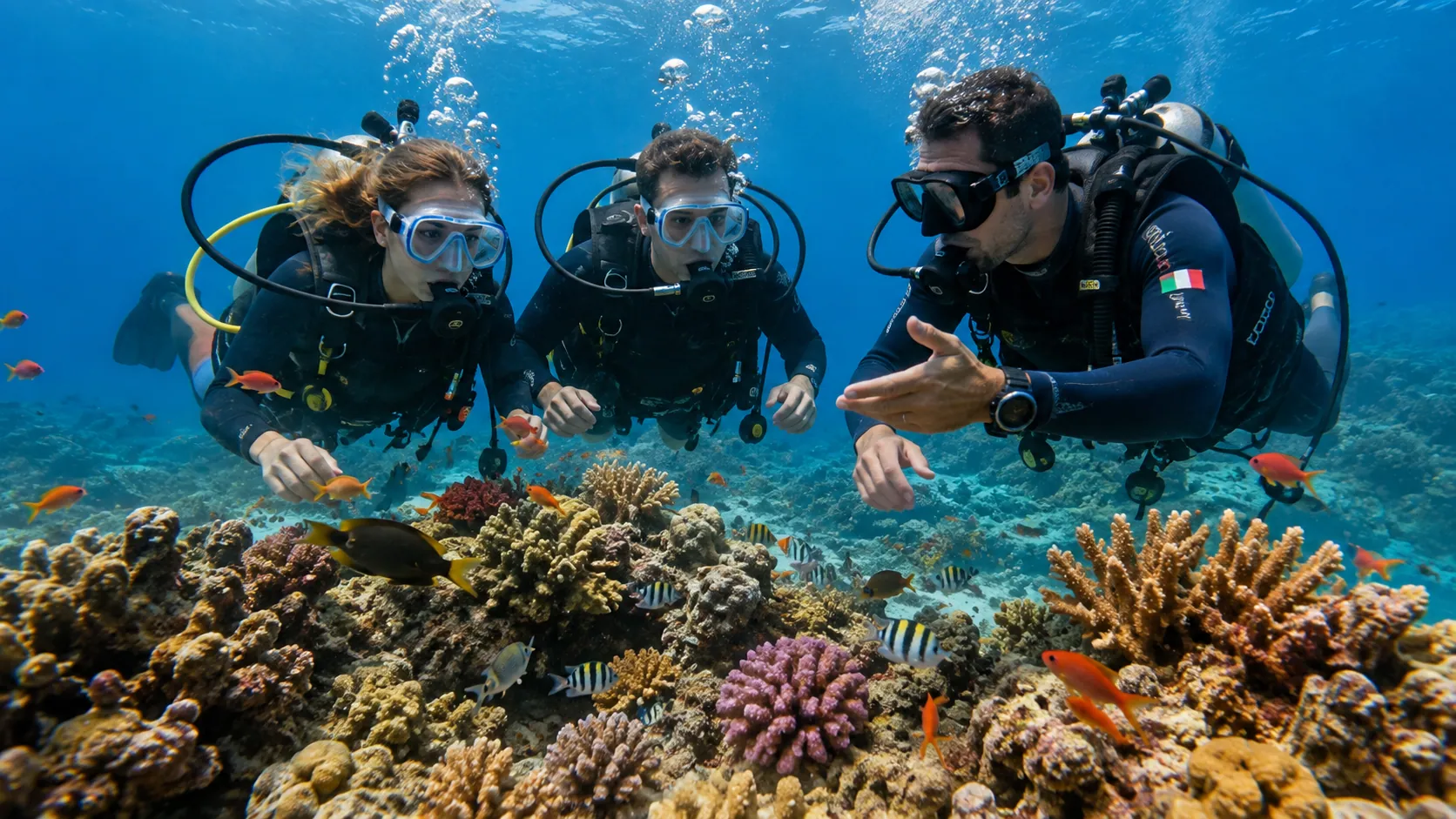
A shallow oval reef with a sandy bottom and schools of butterflyfish – perfect for training, second and night dives.
- Depth
- 4–14m
- Boat
- 55min
- Species
- 5
El Aruk (Gigi)
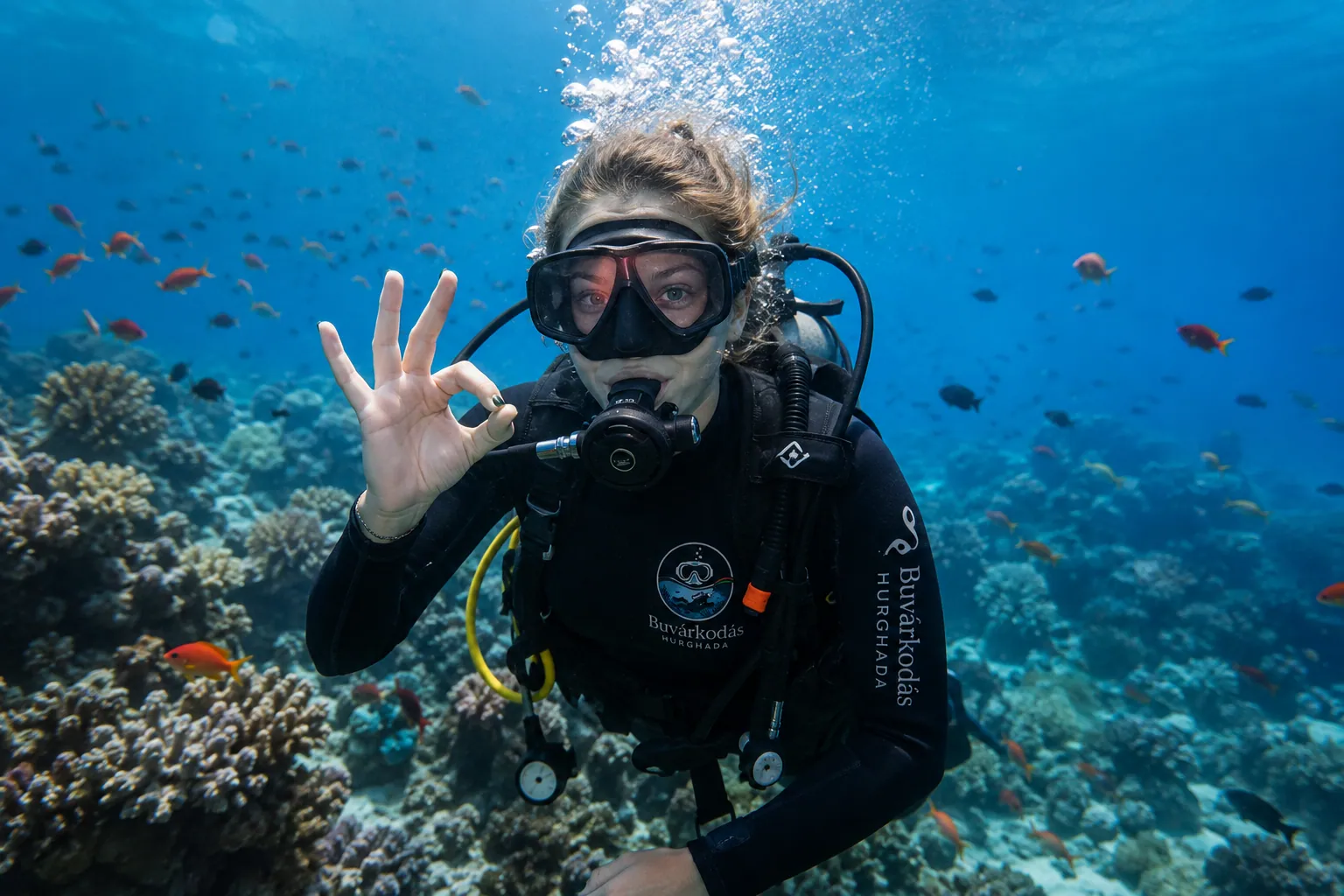
A playground of coral towers on white sand: easy navigation, clouds of glassfish and light made for photography.
- Depth
- 5–14m
- Boat
- 35min
- Species
- 5
Giftun-szigetek
A national park island pair with a dozen dive sites: coral gardens, turtles and perhaps the richest fish life in the area.
- Depth
- 5–25m
- Boat
- 45min
- Species
- 6
The Red Sea will not wait forever.
Book today – seats on the boat are limited, your excitement is not.