Pygmy sweeper
Parapriacanthus ransonneti
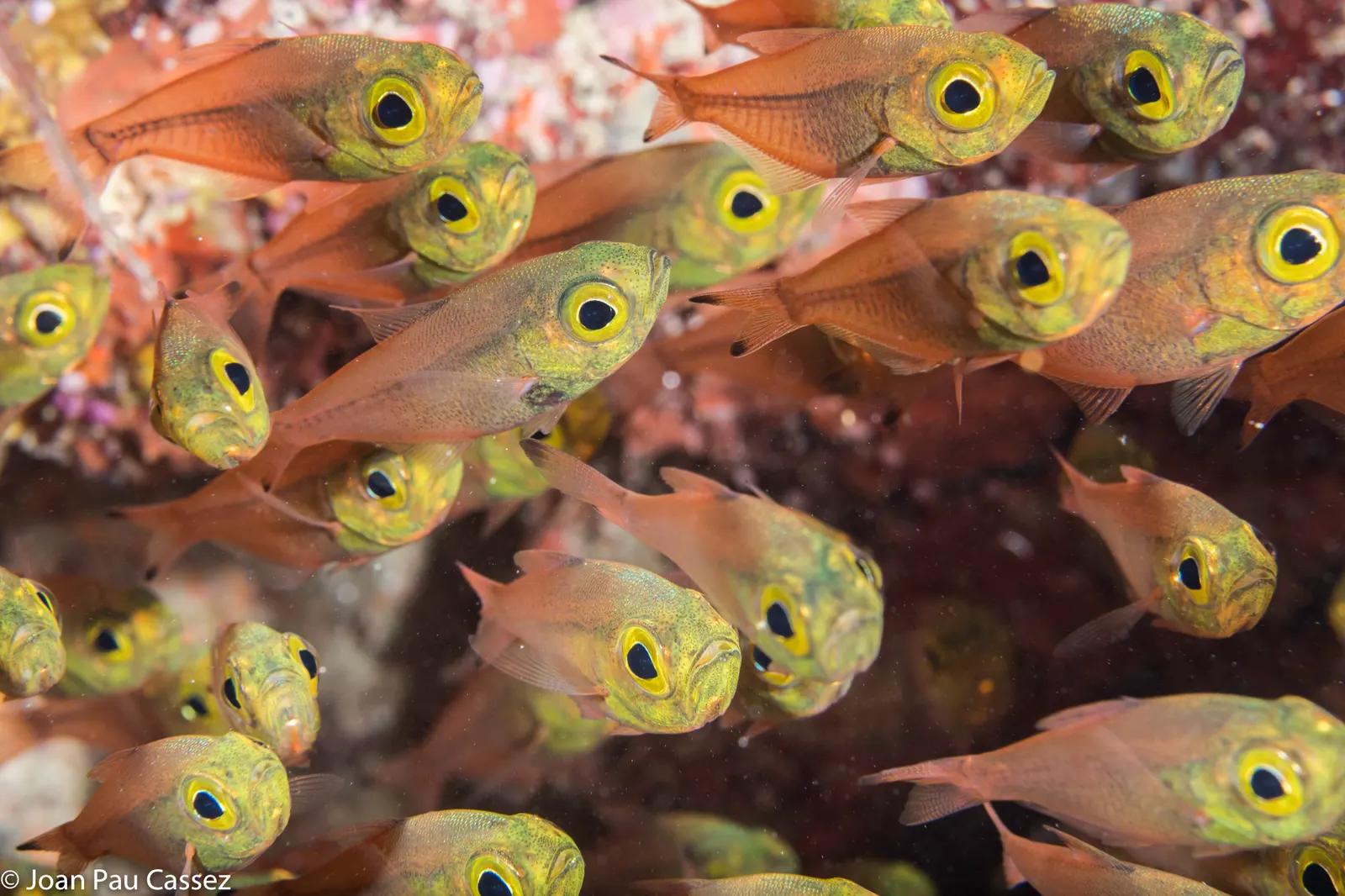
A golden, translucent cloud of fish at the cave mouth: a sweeper school parts around you like a living curtain.
The pygmy sweeper (Parapriacanthus ransonneti) is one of the smallest yet most spectacular residents of the reef. The body of this few-centimetre fish is so translucent that its spine and organs shimmer through it – hence the Hungarian name "glass fish". Head and body are washed with a fine golden-coppery sheen, which is why it is also called the golden sweeper. A single fish is almost invisible; thousands together are breathtaking.
Sweepers never live alone: by day they fill caves, rocky archways and wreck interiors in dense, perfectly synchronised schools, sheltered by the half-light. The school behaves like a single organism – swim into it and the cloud silently splits in two, flows around you and seals itself again behind your fins. At night the school disperses and the tiny fish hunt plankton in open water.
Around Hurghada you will find the finest schools in the passages between the coral towers of El Aruk, under the rocky arches of Gota Abu Ramada and in the dark spaces of the El Mina wreck – in the beam of your torch the golden curtain of fish is unforgettable. In the shallower caverns snorkelers can peek into this glittering whirl too.
Did you know?
The sweeper can glow – but it does not make its own light-producing enzyme. It "steals" it from the tiny crustaceans it eats and builds it into its own light organs, an astonishing trick science calls kleptoprotein.
Where can you meet it?
A school is almost always swirling in the passages of El Aruk's coral towers and under the arches of Gota Abu Ramada, while the densest clouds fill the interior of the El Mina wreck.
Frequently asked questions
Yes, and it is one of the loveliest underwater experiences: the school opens up before you and closes again behind you. Move slowly, never grab at the fish, and take care not to stir up sediment in the cave with your fins.
Its body really is glass-like, but its head and belly are covered in tiny reflective and light-producing cells. In a dim cave your torch beam catches these – which is what makes the whole school blaze gold.
Best sites for Pygmy sweeper
El Aruk (Gigi)
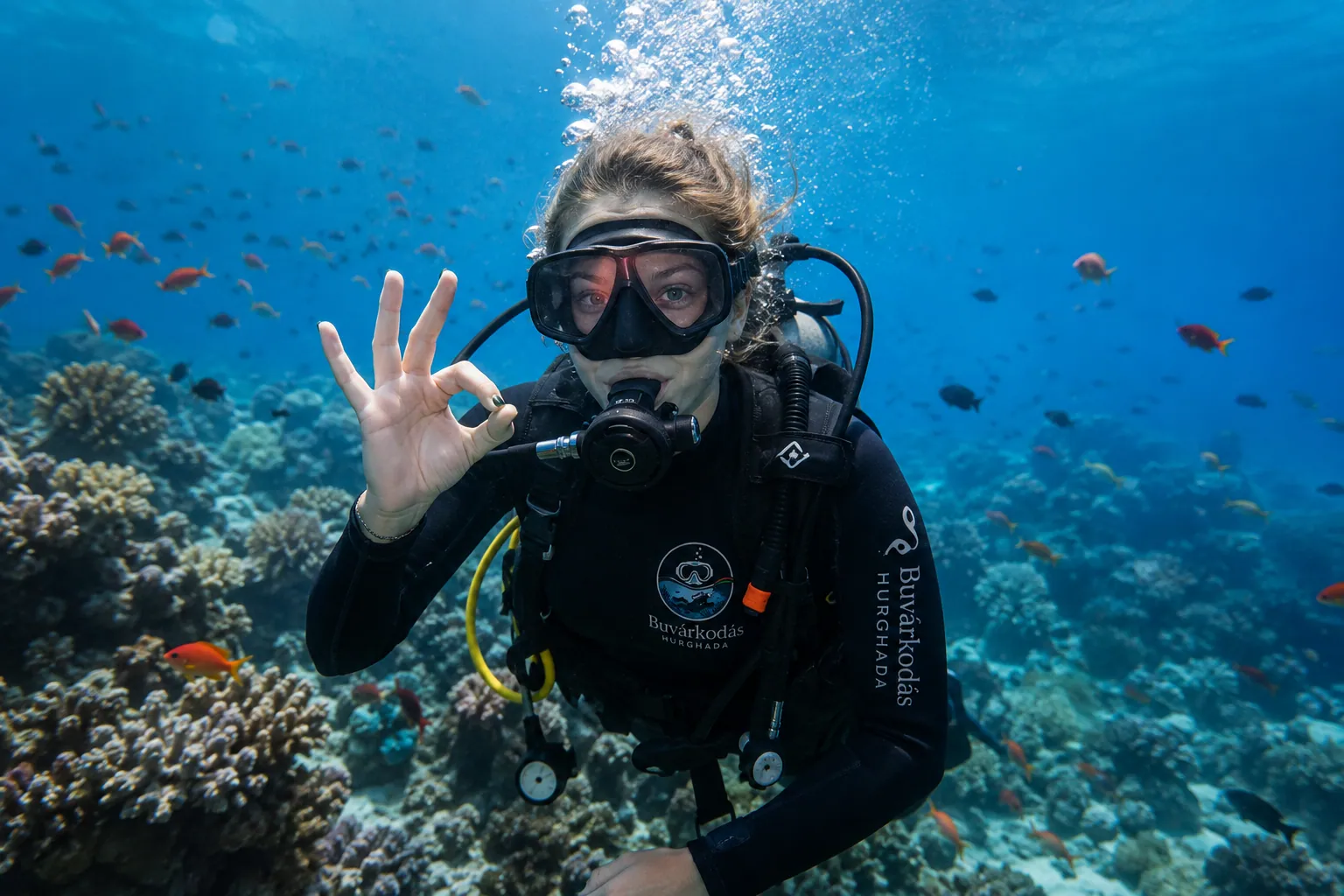
A playground of coral towers on white sand: easy navigation, clouds of glassfish and light made for photography.
- Depth
- 5–14m
- Boat
- 35min
- Species
- 5
Gota Abu Ramada
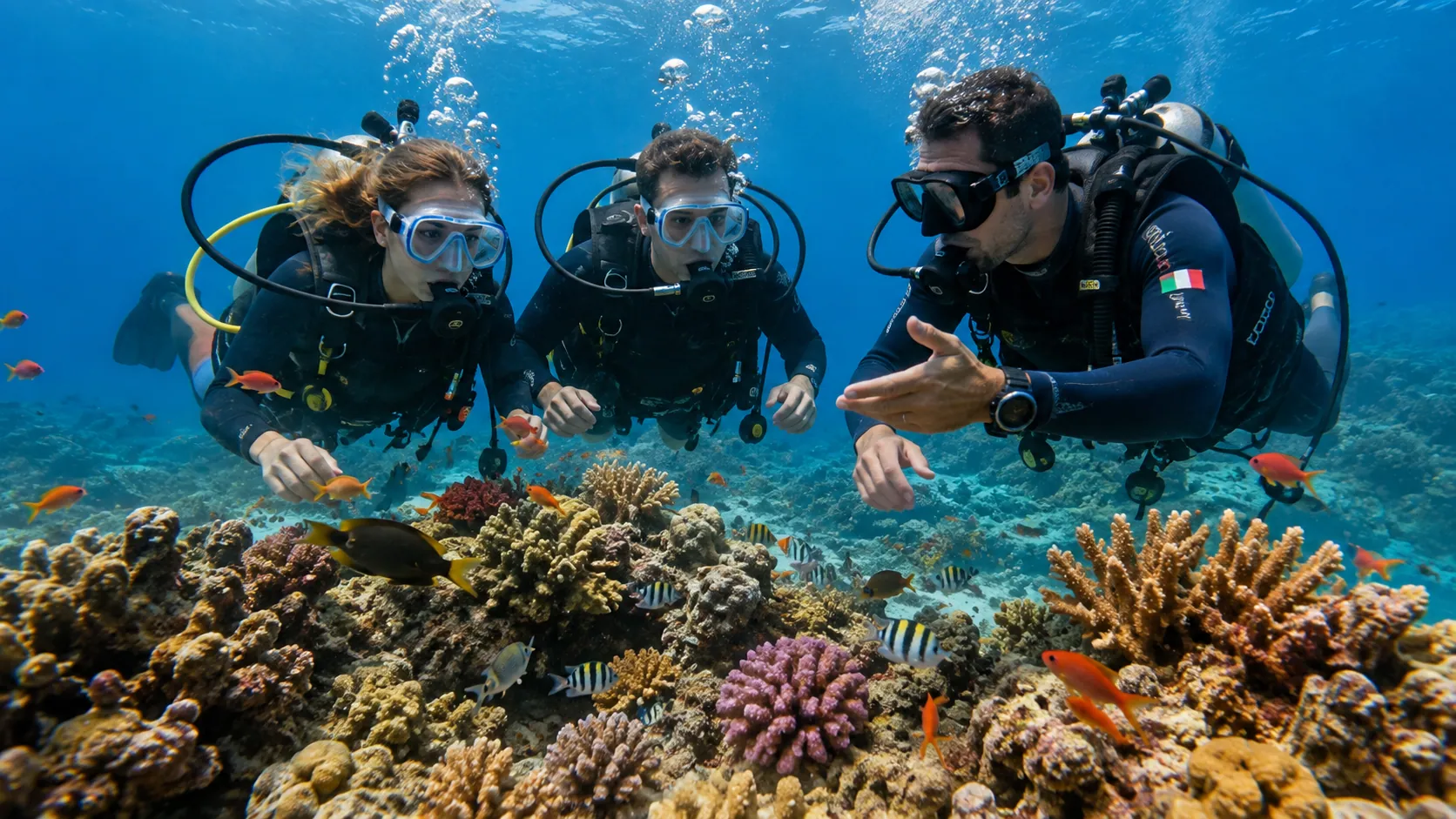
A shallow oval reef with a sandy bottom and schools of butterflyfish – perfect for training, second and night dives.
- Depth
- 4–14m
- Boat
- 55min
- Species
- 5
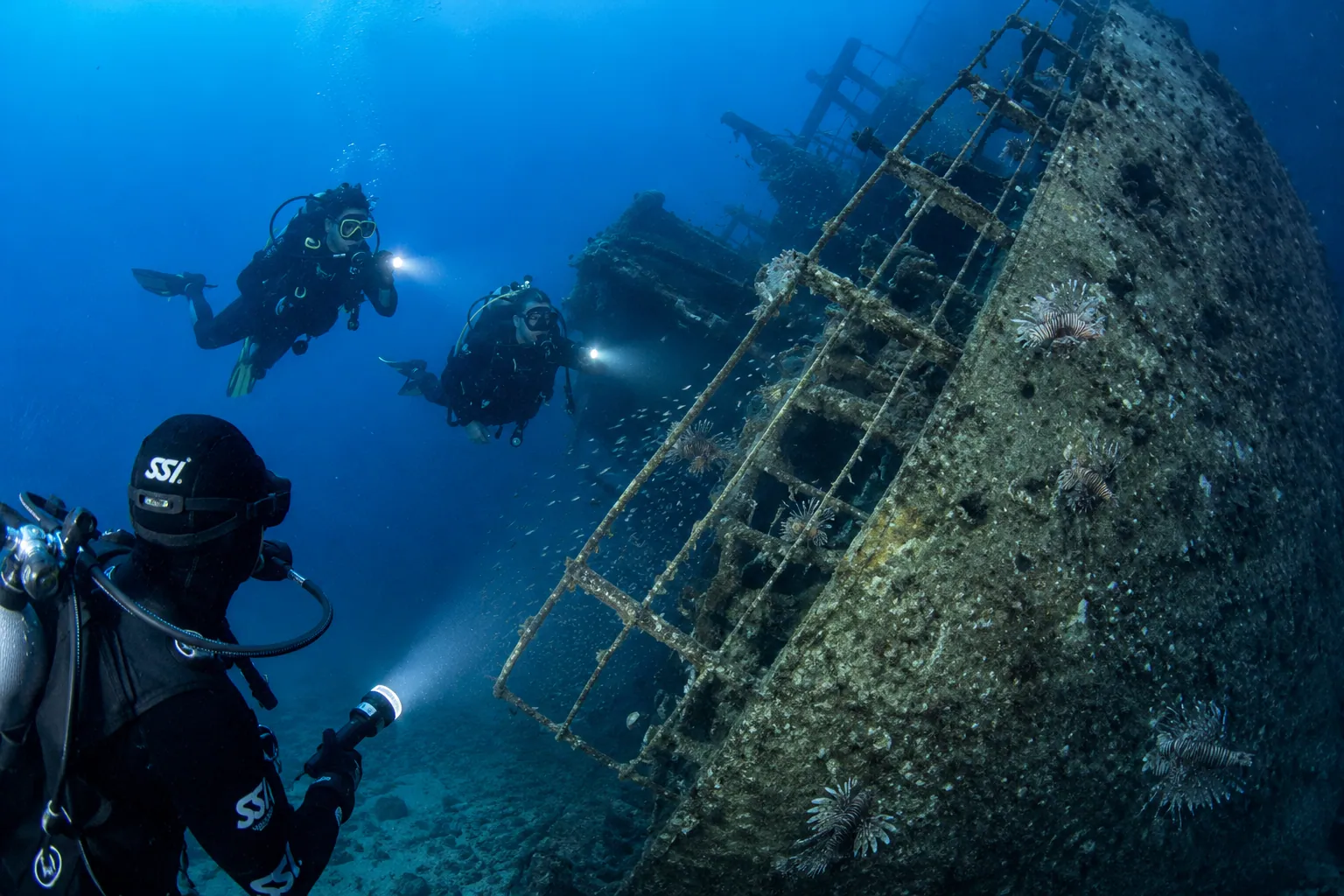
El Mina roncs
A genuine warship wreck 20 minutes from the marina: an Egyptian minesweeper sunk in 1969, resting on sand at 30 metres.
- Depth
- 16–30m
- Boat
- 20min
- Species
- 5
The Red Sea will not wait forever.
Book today – seats on the boat are limited, your excitement is not.