Red soft tree coral
Dendronephthya hemprichi
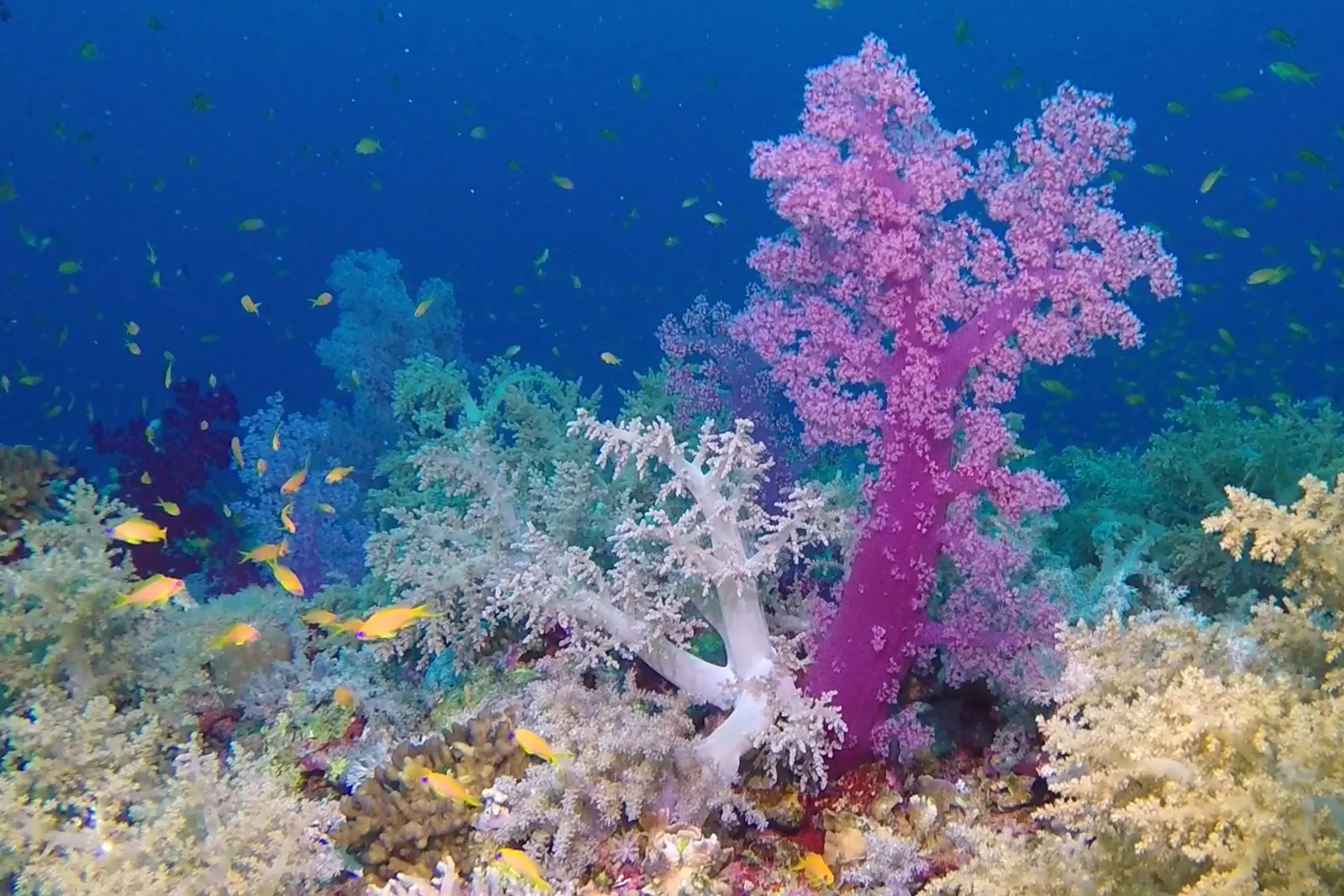
A ruby-red "bush" with a glassy translucent trunk that inflates into a bouquet in the current – the most photogenic resident of Red Sea walls.
The red soft tree coral is impossible to mistake for anything else: in its glassy, water-filled trunk you can see the embedded needle-shaped red limestone granules, the sclerites, with the naked eye – like looking at a jelly crystal strewn with ruby splinters. The sclerites stiffen the soft colony and spoil the appetite of nibbling fish. When the current picks up, the colony pumps itself full of water and swells open several times its size like a bouquet; in slack water it collapses into a modest little lump.
Dendronephthya is the eccentric of the soft coral world: it has no symbiotic algae, so it does not live on light but filters almost exclusively drifting plant plankton – phytoplankton – from the water, an exceptional diet among corals. That is why it grows wherever the water keeps moving: on walls, outcrops and wrecks, even upside down. It also spreads at lightning speed, "dripping" tiny branch tips that settle within days and grow into new colonies.
Around Hurghada its kingdom is the current-swept outer reefs: the pinnacles of Carless Reef, the wall of Umm Gamar and the skeleton of the El Mina wreck are all draped in red-orange tree coral forest. It is most spectacular when the current switches on and every colony unfolds – that is the moment you understand why the Red Sea is called the capital of soft corals. The colony is soft and delicate: one squeeze or fin kick crushes it, so let only your strobe light touch it.
Did you know?
The red soft tree coral is one of the fastest colonisers in the coral world: in experiments it overgrew bare steel surfaces within days – which is why it blankets Red Sea wrecks so quickly, while stony corals would need decades for the same feat.
Where can you meet it?
At its best on current-swept walls: it blooms on the pinnacles of Carless Reef and the deeper wall of Umm Gamar, and all but carpets the El Mina wreck.
Frequently asked questions
The tree coral "inflates" itself with water: in current it pumps up the colony, opens its polyps and feeds, while in slack water it deflates to save energy. If you find it collapsed, come back when the current starts running – that is when it shows its true face.
Sclerites: tiny limestone needles that stiffen the soft, water-filled body – the "bones" of a boneless coral. They double as defence, since few fish enjoy biting into a splintery mouthful. The red needles shining through the translucent tissue give the species its unmistakable glass-ornament look.
The colour comes from the sclerites and tissue pigments themselves, not from algae. Since the tree coral needs no light, it can afford flamboyant reds and purples – at depth these colours look grey anyway, and only explode into life in the beam of your torch.
Best sites for Red soft tree coral
Carless Reef
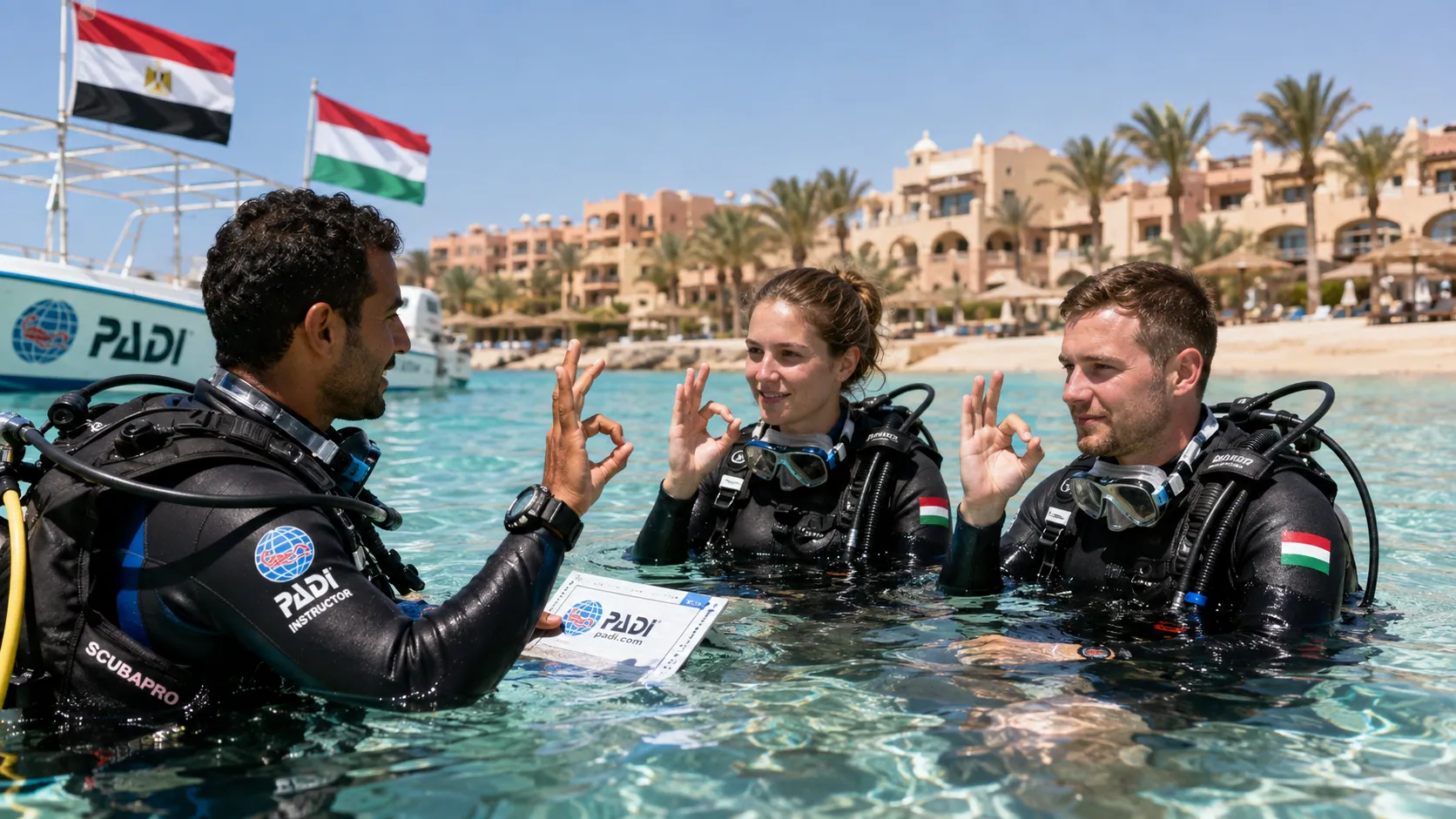
An offshore twin-erg reef famous for its legendary moray colony – for experienced divers, weather permitting.
- Depth
- 12–30m
- Boat
- 70min
- Species
- 5
Umm Gamar
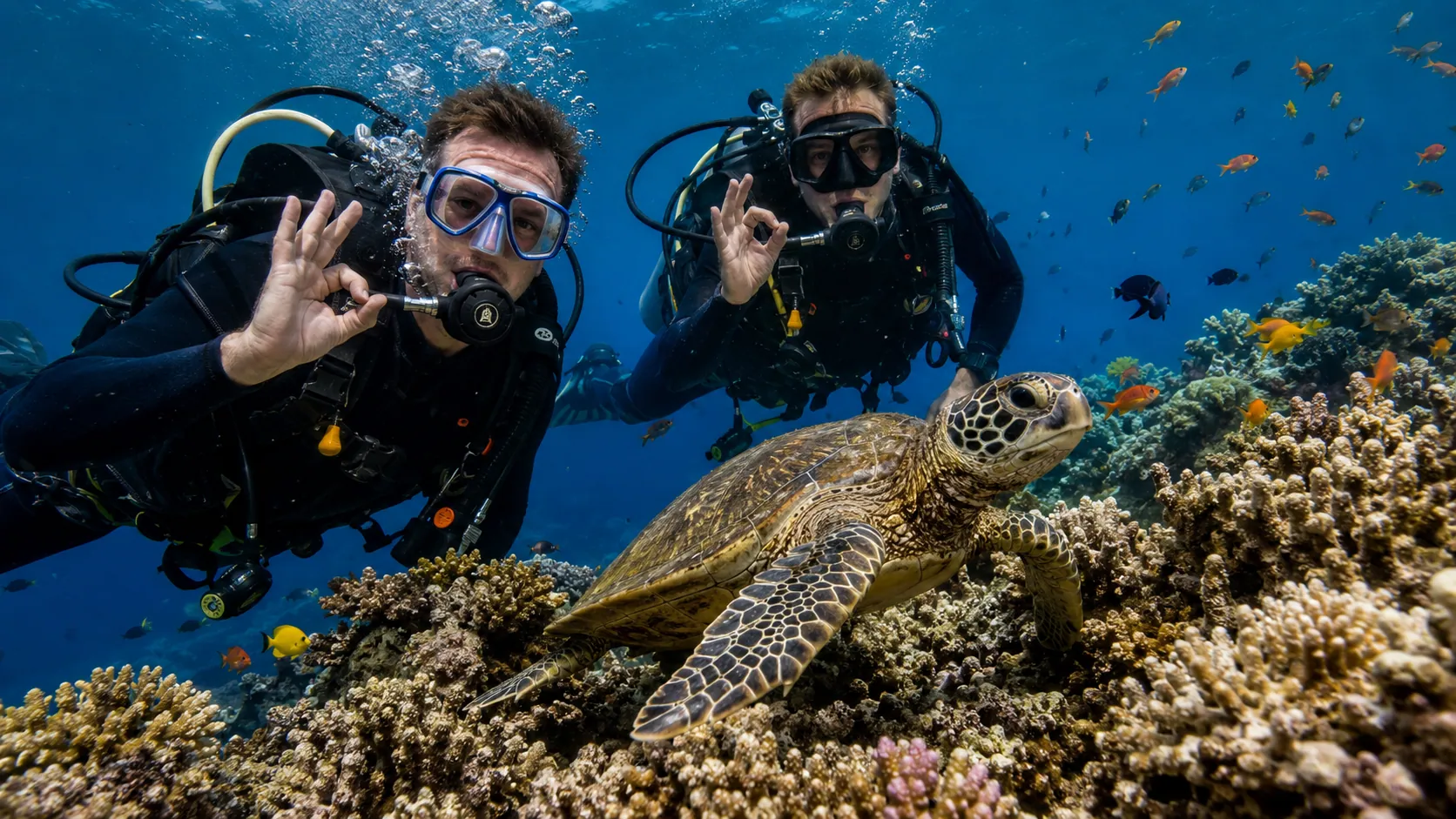
An elongated island in the north: a plateau with three coral towers, small caves and big predators out in the blue.
- Depth
- 10–30m
- Boat
- 75min
- Species
- 5
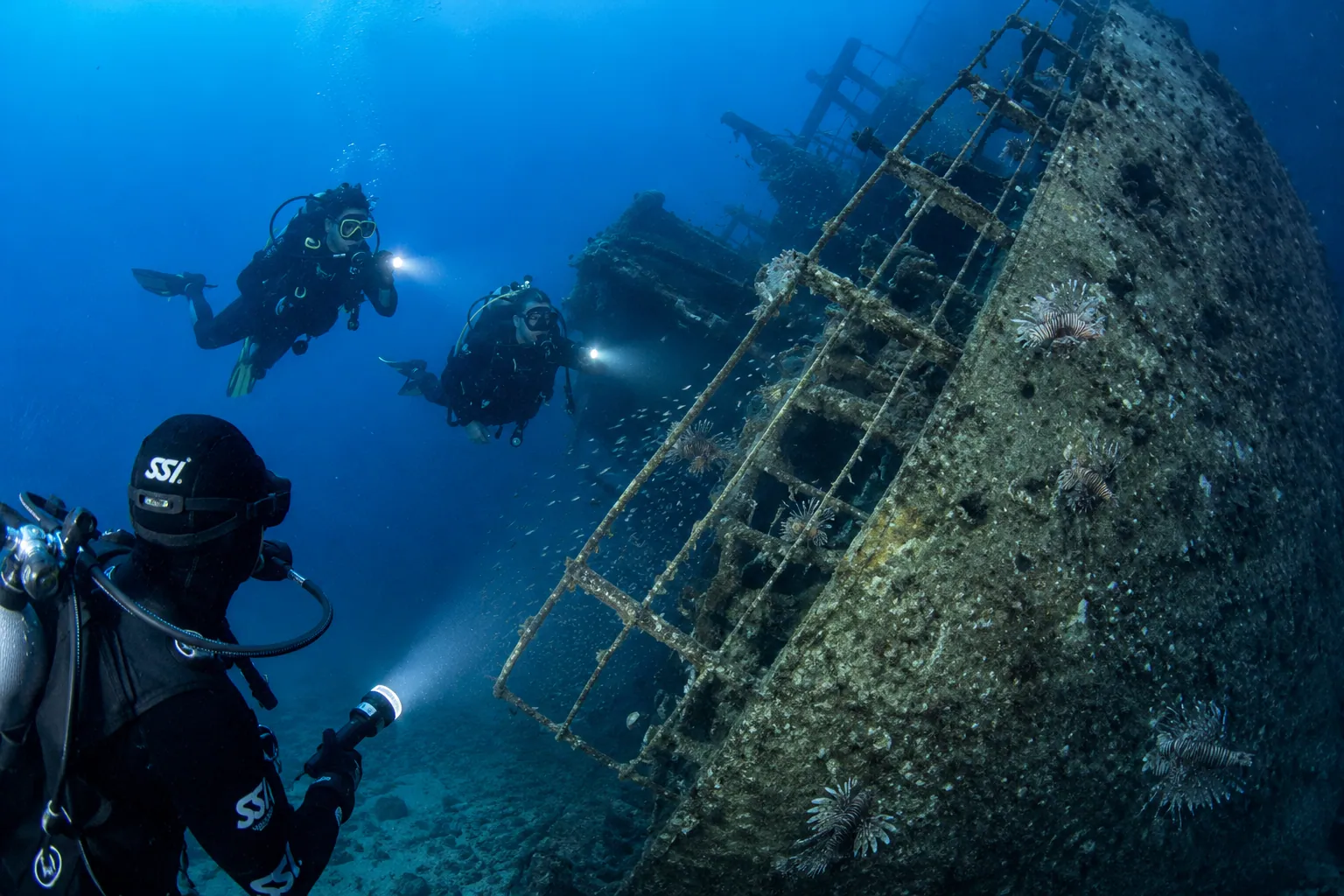
El Mina roncs
A genuine warship wreck 20 minutes from the marina: an Egyptian minesweeper sunk in 1969, resting on sand at 30 metres.
- Depth
- 16–30m
- Boat
- 20min
- Species
- 5
The Red Sea will not wait forever.
Book today – seats on the boat are limited, your excitement is not.