Tongue mushroom coral
Herpolitha limax
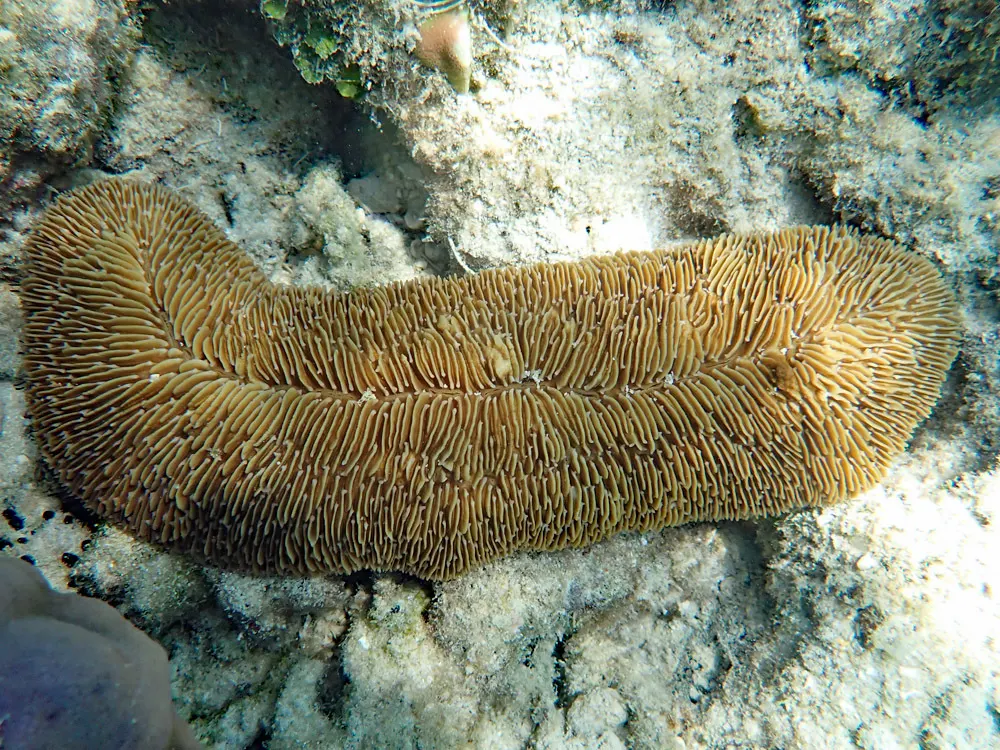
A coral attached to nothing: the tongue-shaped mushroom coral lies free on the sand and can even dig itself out when buried.
At first glance the tongue mushroom coral (Herpolitha limax) looks more like an elongated stone dropped on the sand than a coral. The 20–50 cm colony is shaped like a tongue or slipper, with a long central furrow running down its length where the mouths sit – sometimes the colony even branches into a Y or X, like a boomerang. It looks smooth by day, but lean closer and you will spot a forest of tiny translucent tentacles on its surface.
The special trick of mushroom corals is that adults are attached to nothing: as juveniles they sit on a small stalk, then break free and spend the rest of their lives loose on sand or coral rubble. Herpolitha is not a solitary polyp either but a true colony – many mouths work together along the central furrow. When waves bury it in sand, it inflates its tissues with water and literally shakes the sediment off, and if needed it can even inch its way to a better spot.
Around Hurghada, look for it on the sandy plateaus and rubble slopes between the reefs, typically at 5–20 metres – on shallower patches you can spot it while snorkeling too. Because it lies loose, careless anchoring and fin kicks can easily flip or bury it, so study it as long as you like but never pick it up or turn it over: the coral sorts everything out at its own pace.
Did you know?
If waves flip or bury it, the tongue mushroom coral inflates its tissues with water and frees itself from the sand within hours – a coral that really can "move".
Where can you meet it?
Look for it on the sandy plateaus: it turns up regularly on the sand patches of Gota Abu Ramada and El Fanadir and on the rubble slopes of Abu Hashish.
Frequently asked questions
It really is – a living colony with many mouths along its central furrow. It retracts its tentacles by day, which is why it looks lifeless; on a night dive its whole surface is covered in tiny tentacles.
Do not touch it: mushroom corals can right themselves, while the warmth of your hand and traces of sunscreen can harm their delicate tissue. The best help is good buoyancy, so it never gets knocked over in the first place.
The round mushroom coral (Fungia) is a single giant polyp with one central mouth, while the tongue mushroom coral is an elongated colony with many mouths lined up in its long furrow. If it is stretched out and grooved, you are most likely looking at Herpolitha.
Best sites for Tongue mushroom coral
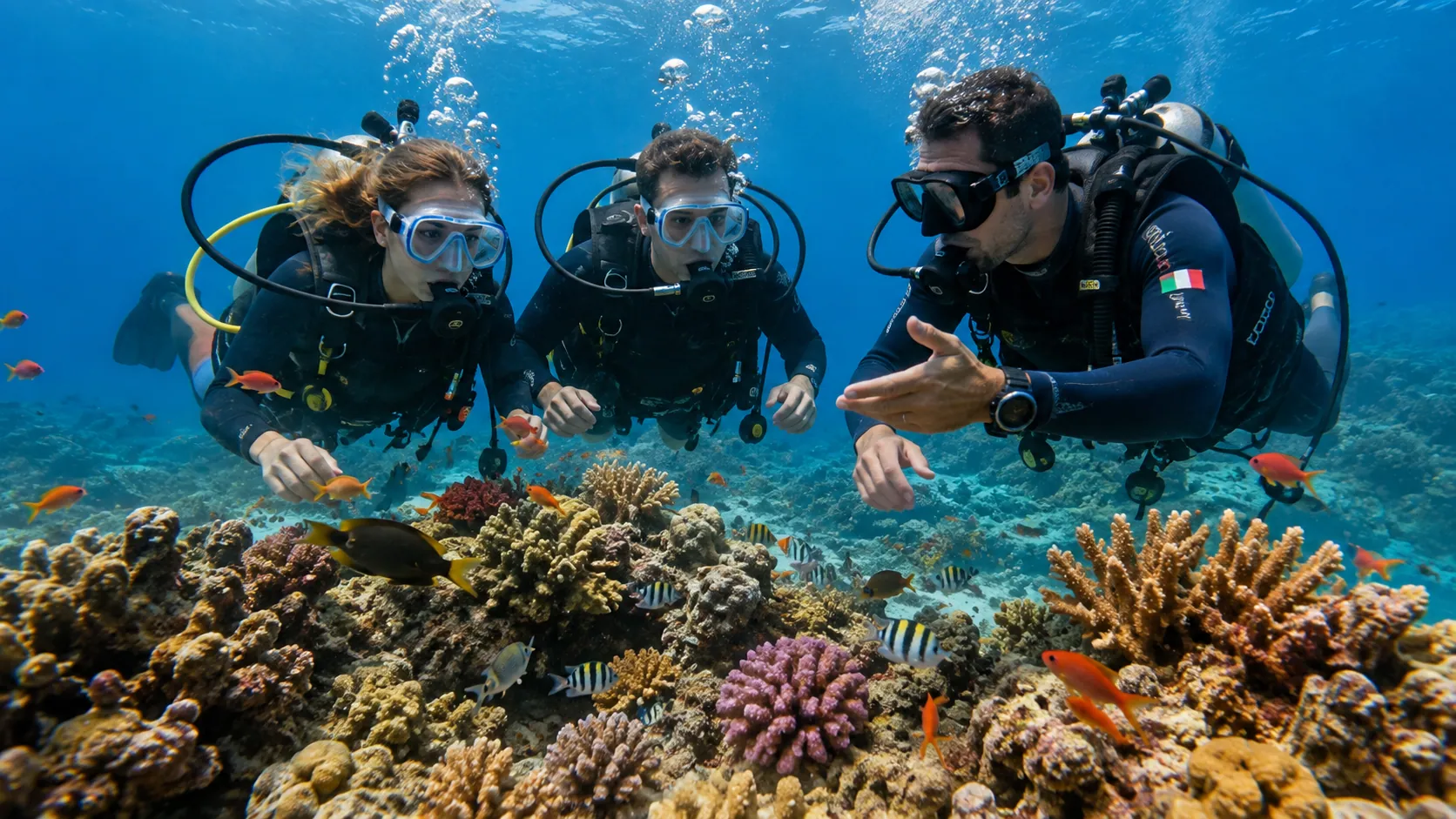
Gota Abu Ramada
A shallow oval reef with a sandy bottom and schools of butterflyfish – perfect for training, second and night dives.
- Depth
- 4–14m
- Boat
- 55min
- Species
- 5
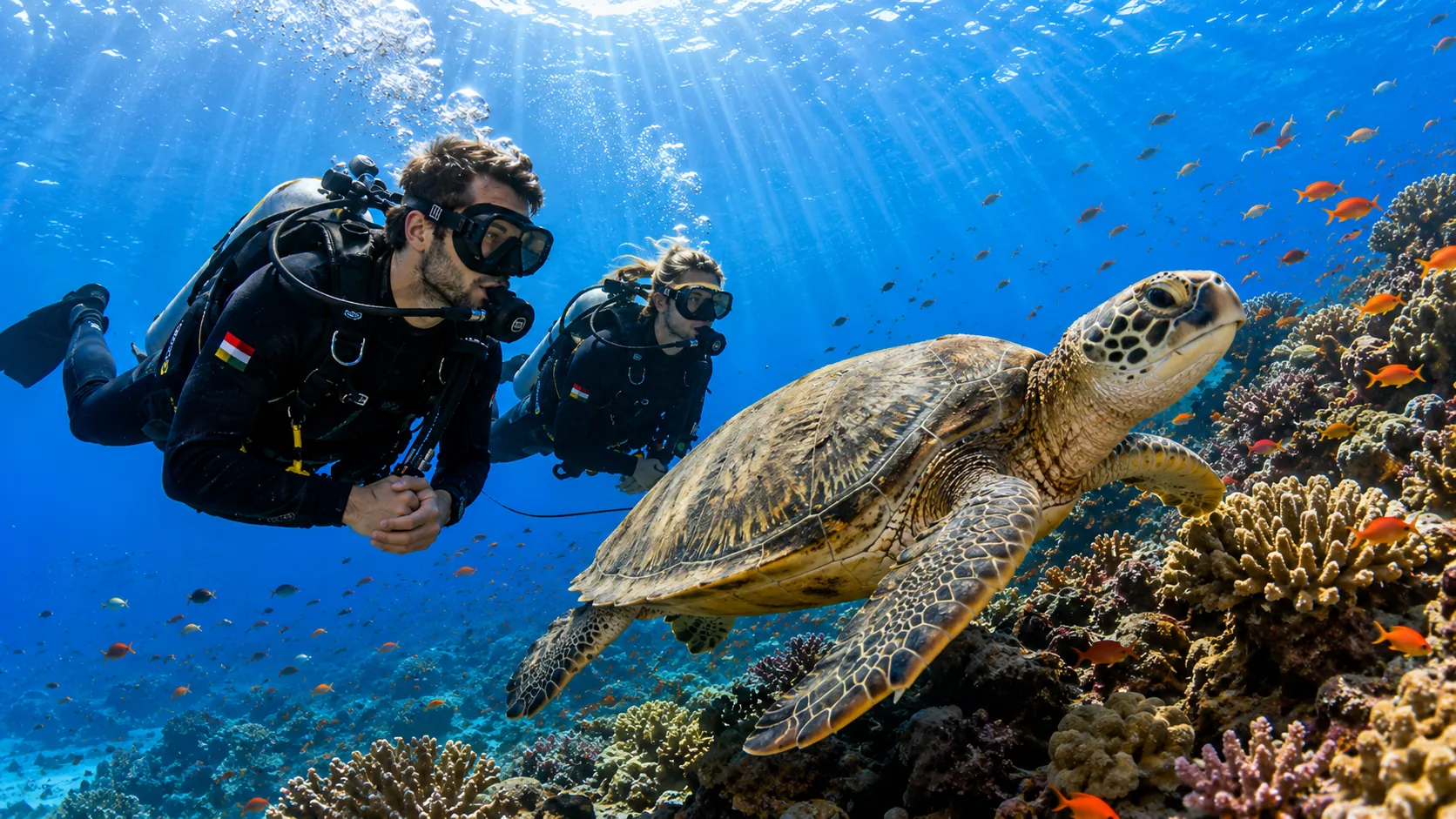
El Fanadir
A long reef ridge barely half an hour from the marina: a gentle wall, blue-spotted rays and seagrass patches with turtles.
- Depth
- 6–25m
- Boat
- 30min
- Species
- 5
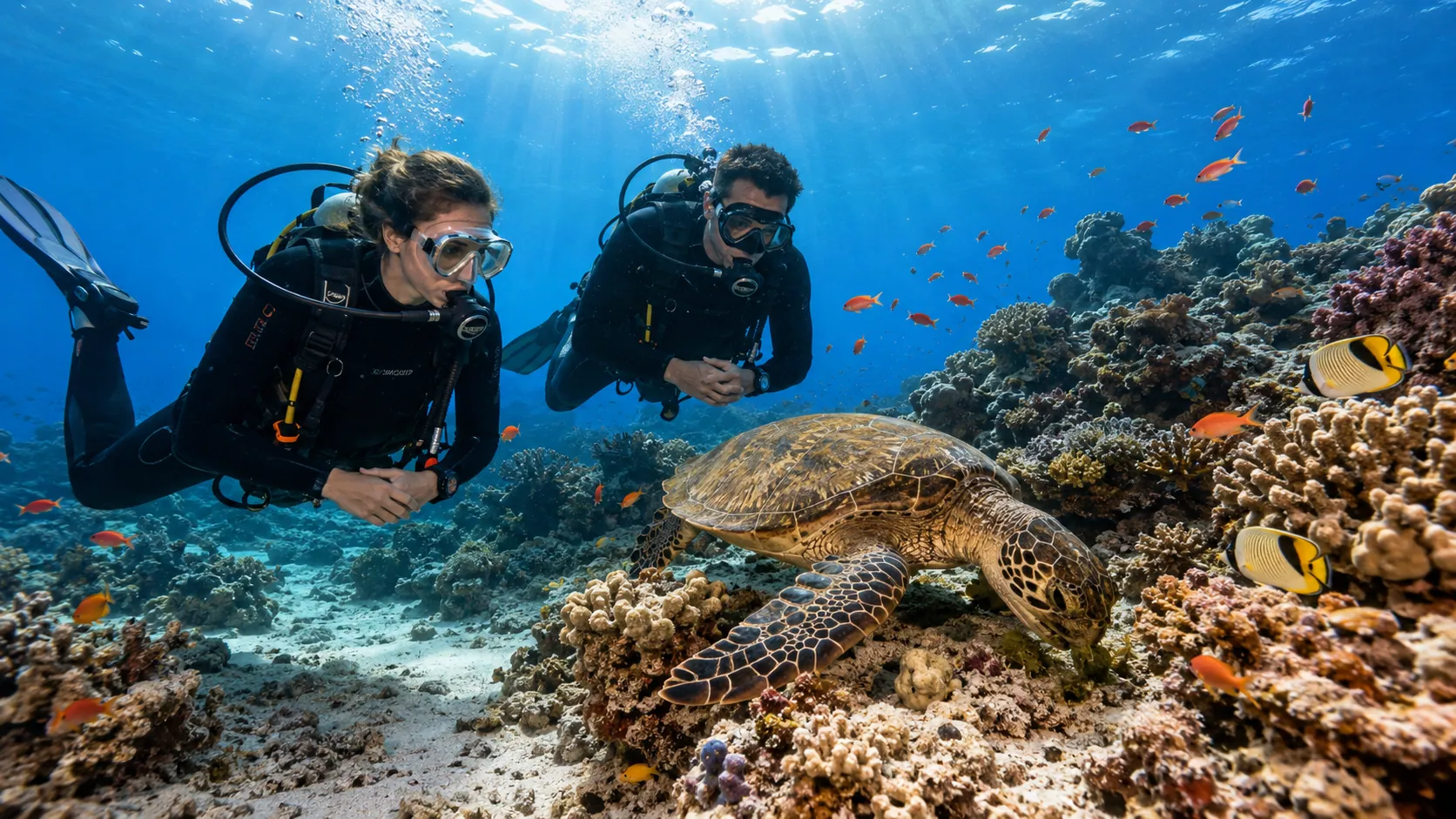
Abu Hashish-fok
A quiet southern cape with seagrass meadows and an atmospheric cavern – turtles almost for sure, a dugong with some luck.
- Depth
- 5–20m
- Boat
- 60min
- Species
- 5
The Red Sea will not wait forever.
Book today – seats on the boat are limited, your excitement is not.