Warty cauliflower coral
Pocillopora verrucosa
Champion of the surf: its stout, knobbly-branched colonies thrive right on the reef crest where the sea works hardest.
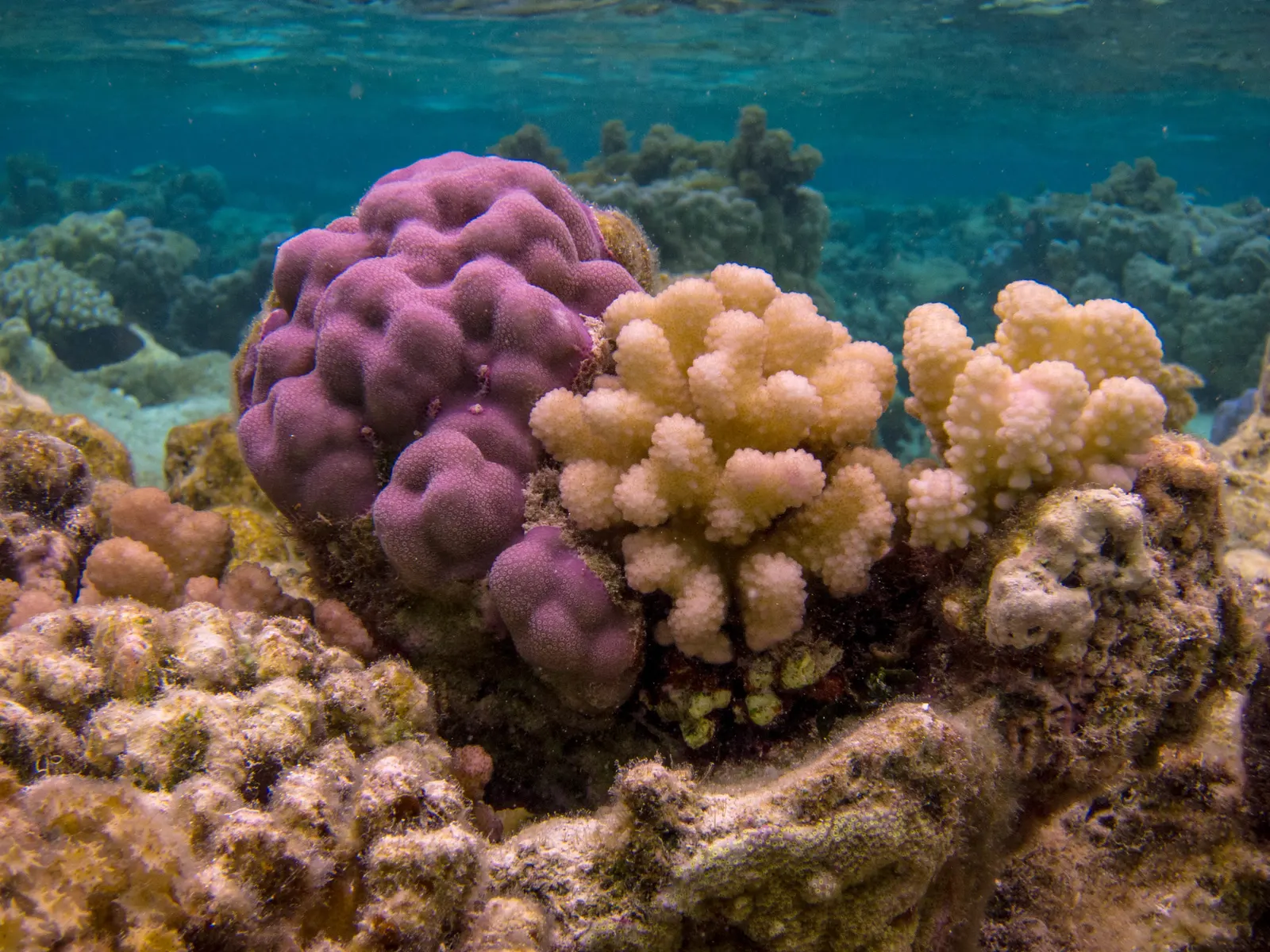
The warty cauliflower coral (Pocillopora verrucosa) is the sturdier sibling of the cauliflower coral: its branches are thicker and stubbier, covered in even, well-defined wart-like bumps – verrucae – as if the whole colony had been sprinkled with tiny buds. The 20–40 cm, dome-shaped colonies range from creamy brown through pink to pale green. Telling the two species apart is easy: the warty cauliflower coral's bumps are larger and more regular, and its branches more robust.
Its build is no accident: this coral is a specialist of the surf-battered reef crest. It lives where wave energy would smash most delicate corals to pieces – its compact, streamlined growth form is made to bear exactly that load. It draws its energy from the photosynthesis of the zooxanthellae algae in its tissues, which is why it clings to shallow, sunlit water. Its spawning is spectacular: in the Red Sea it spawns after the full moon, just after sunrise – the pink gamete bundles rise towards the surface like snowfall in reverse.
Around Hurghada you meet it almost everywhere on the seaward reef edge and the shallow plateaus: the finest colonies grow on the reef tops of the Giftun Islands and El Fanadir and on the wave-exposed side of Umm Gamar. Domino damselfish and guard crabs live among its branches. However tough it looks against the waves, it is just as vulnerable to a fin kick as any stony coral – keep your distance and never grab the reef, even in strong surge.
Did you know?
In the Red Sea the warty cauliflower coral spawns not at night but after sunrise: on mornings following the full moon, pink clouds of gametes rise from the colonies towards the surface – divers in the water then witness a rare spectacle.
Where can you meet it?
Common on the seaward, surf-exposed edge of the reefs: the finest colonies are on the reef tops of the Giftun Islands and El Fanadir and on the outer side of Umm Gamar.
Frequently asked questions
The warty cauliflower coral has thicker branches and larger, more regular bumps, and it prefers the surf-exposed reef crest, while its cousin favours calmer, sheltered plateaus. If you see one on the crest in strong surge, it is almost certainly this species.
An animal: a colony of thousands of tiny polyps building a limestone skeleton, fed by the algae inside it using sunlight. It may withstand the surf, but a touch damages its protective mucus and the branches snap off – and the sharp skeleton will cut your hand too.
Because that is where competition is lowest and oxygen and plankton are richest: its stocky, streamlined colony shape withstands the force of the waves, letting it claim ground where more delicate branching corals cannot even get a foothold.
Best sites for Warty cauliflower coral
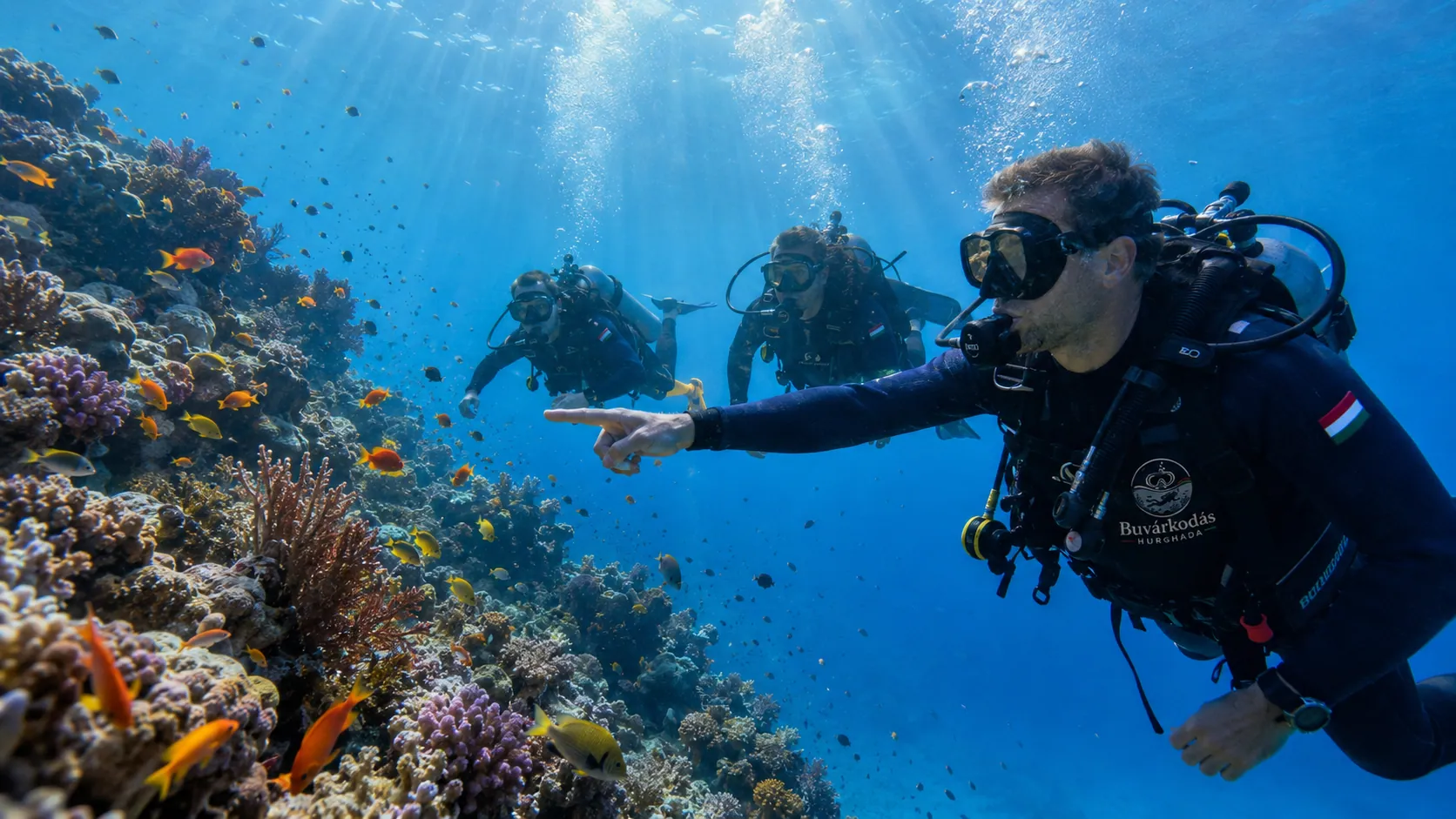
Giftun-szigetek
A national park island pair with a dozen dive sites: coral gardens, turtles and perhaps the richest fish life in the area.
- Depth
- 5–25m
- Boat
- 45min
- Species
- 6
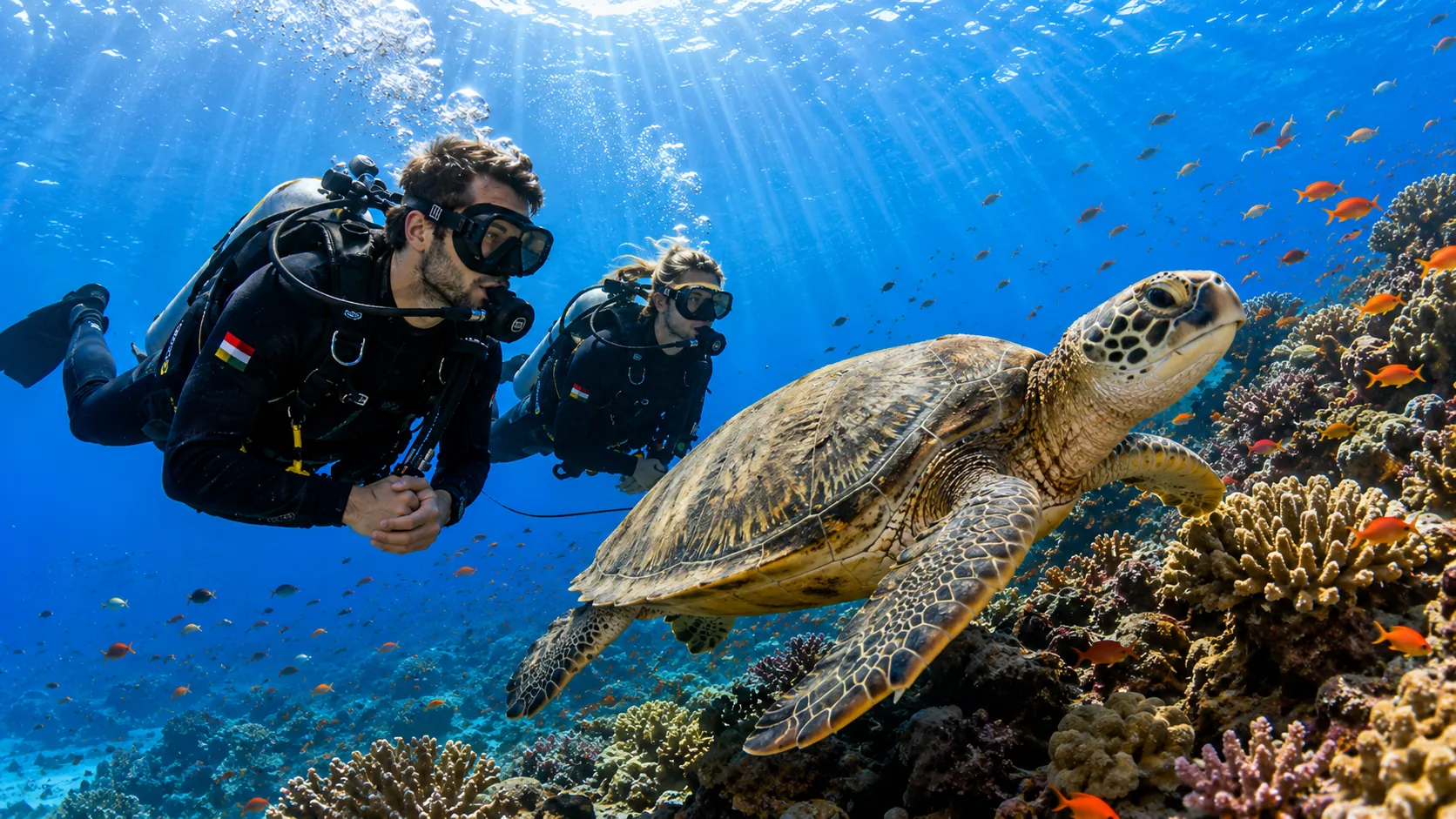
El Fanadir
A long reef ridge barely half an hour from the marina: a gentle wall, blue-spotted rays and seagrass patches with turtles.
- Depth
- 6–25m
- Boat
- 30min
- Species
- 5
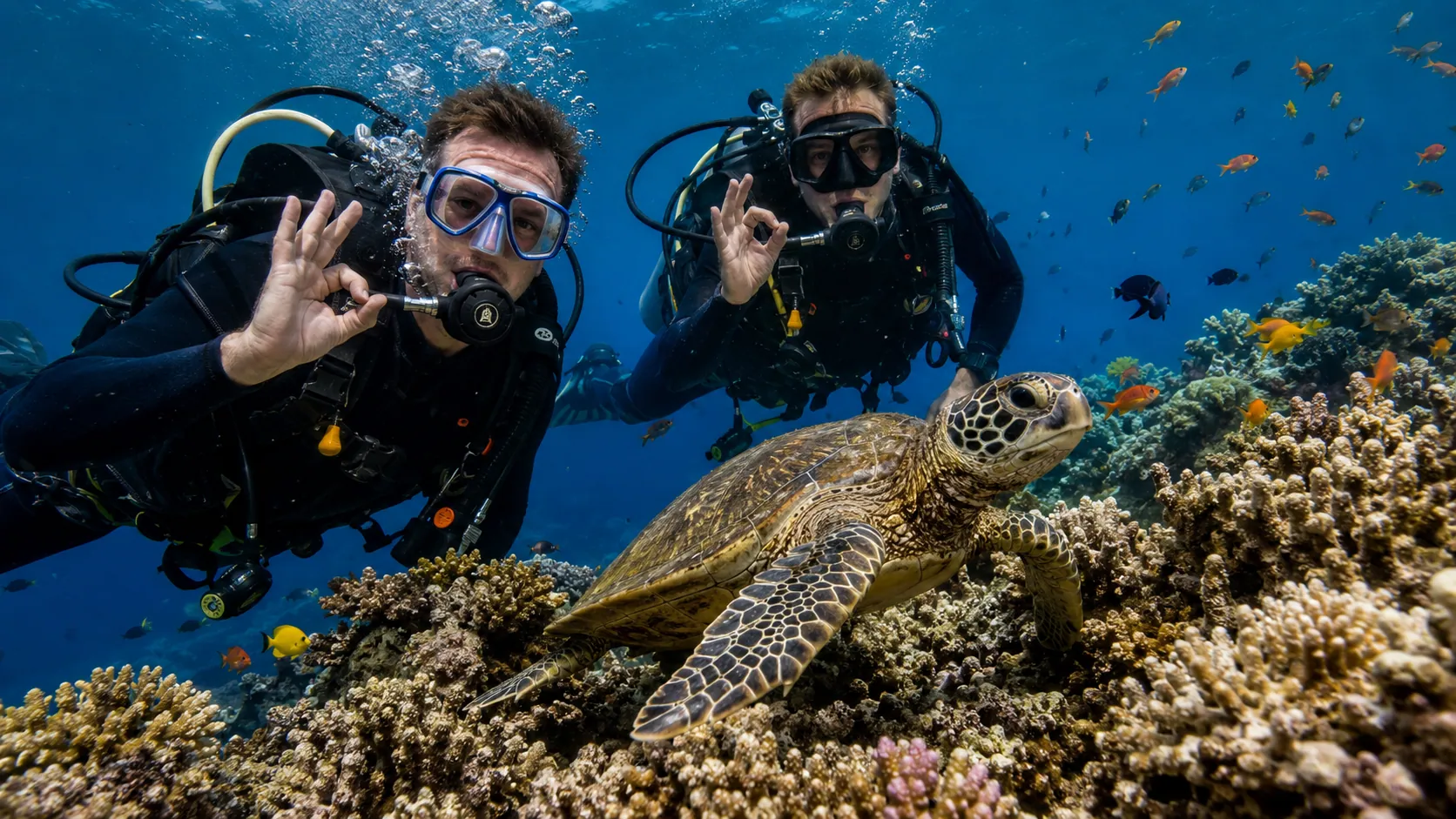
Umm Gamar
An elongated island in the north: a plateau with three coral towers, small caves and big predators out in the blue.
- Depth
- 10–30m
- Boat
- 75min
- Species
- 5
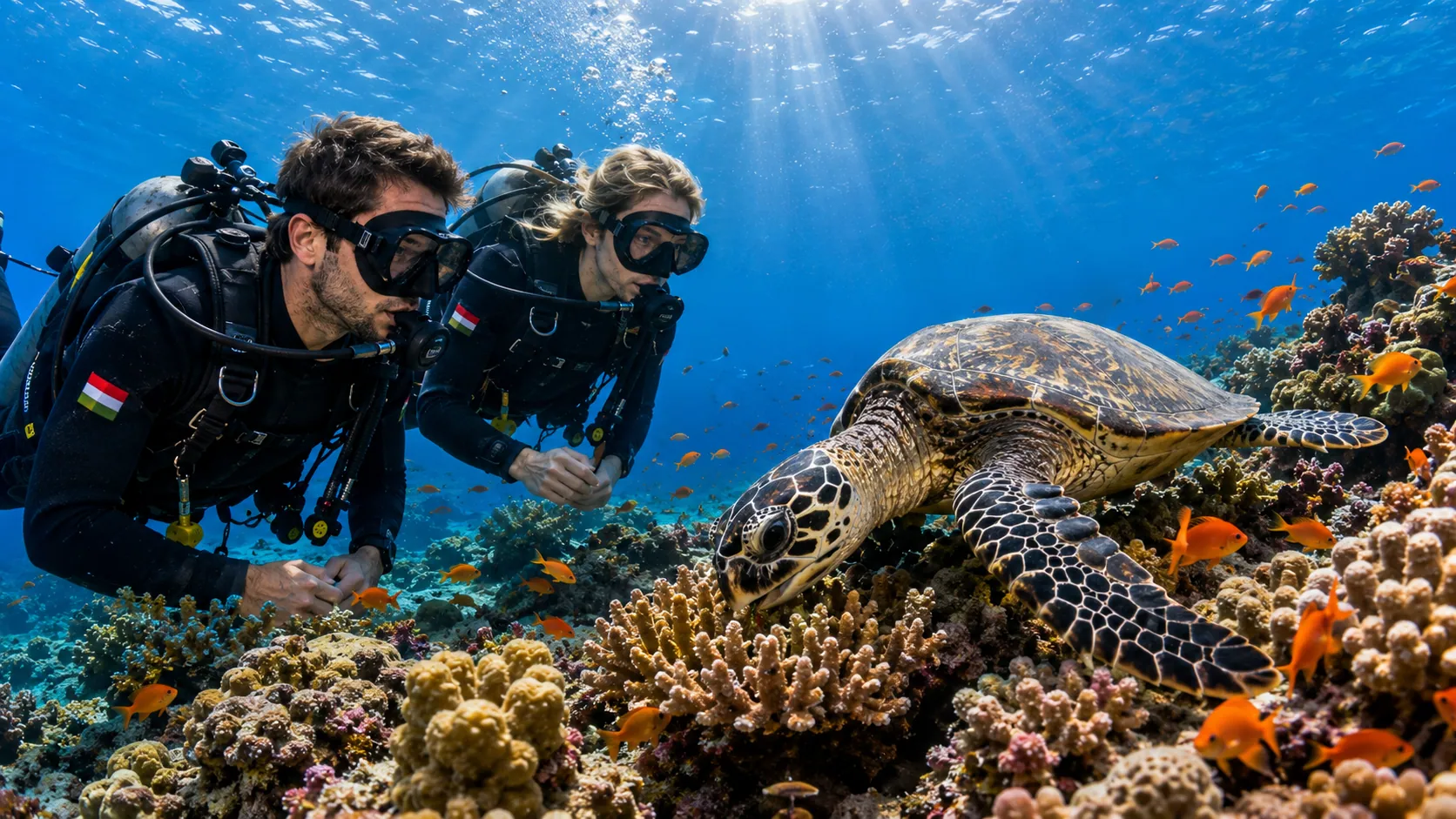
The Red Sea will not wait forever.
Book today – seats on the boat are limited, your excitement is not.