Whip coral
Ellisella juncea
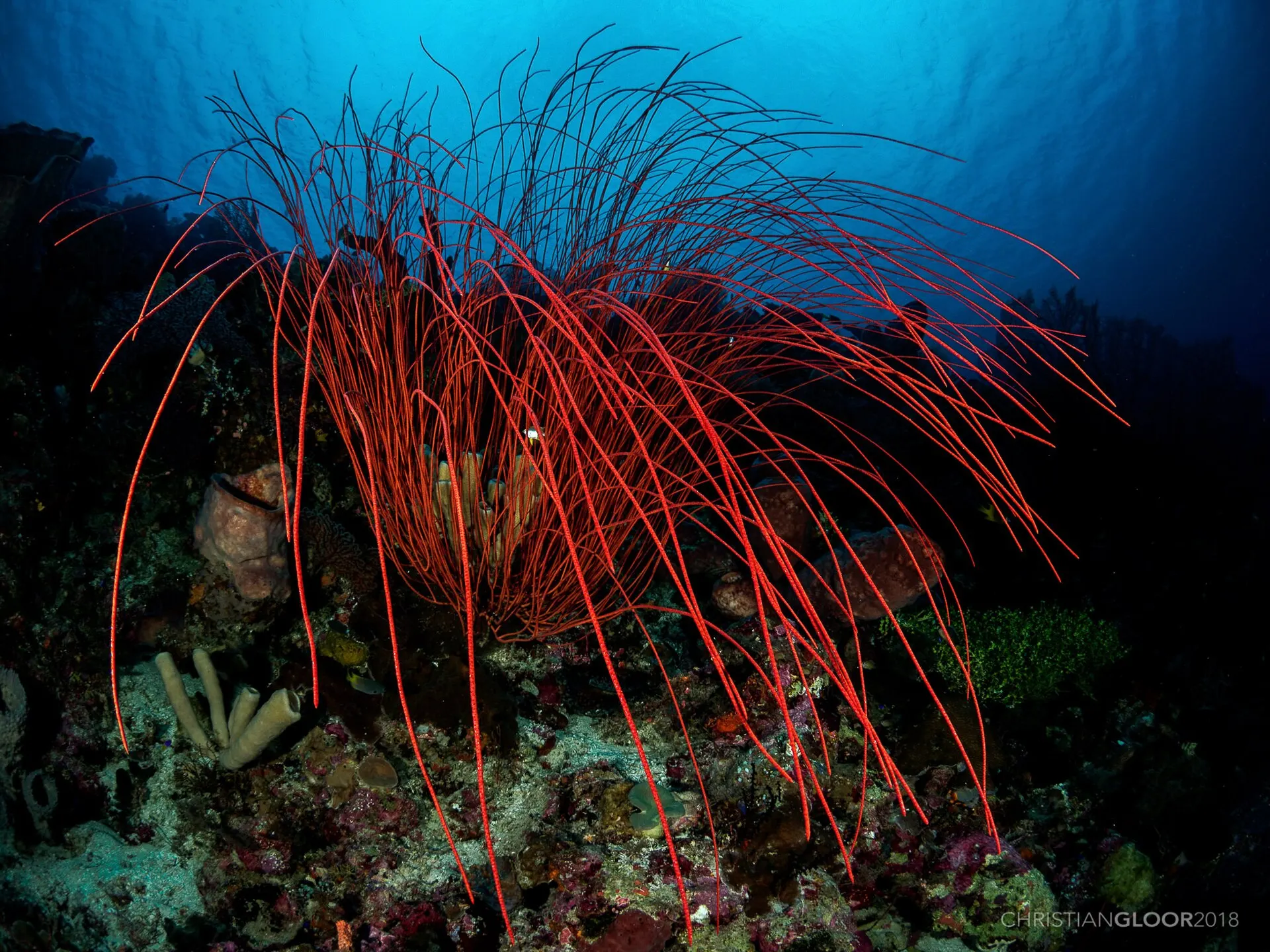
Metre-long, bright red whips jut from the deeper slopes – every single strand is an entire animal colony, complete with tiny tenants.
The whip coral (Ellisella juncea) cannot be mistaken for anything else: long, unbranched, bright red or orange "whips" jut into the water from the deeper slopes and walls, often dozens together like an underwater reed bed. Up close, each strand's surface is covered with tiny whitish polyps – when they open, the whip looks fuzzy, like a slender bottle brush.
Simple as it looks, every single whip is a complete coral colony: a flexible, horny axis sheathed in the shared tissue of a thousand polyps. It has no symbiotic algae and lives purely on plankton strained from the water, so it favours current-swept, deeper zones – the long, elastic form is an advantage where strong flow would shred a fan. The whips are apartment houses too: whip coral gobies and tiny shrimps spend their entire lives on their surface, matched perfectly to their host's colour.
Around Hurghada you meet it on slopes and ridges below 20 metres and around the wrecks. If you find a whip field, slow down and scan the strands up close – chances are you will spot a goby flicking to the far side of the whip ahead of you. The coral is fragile: bending or grabbing a whip is forbidden, and good buoyancy is compulsory etiquette here.
Did you know?
The whip coral goby spends its entire life on a single whip: it hunts there, mates there and lays its eggs there too – and when you approach, it does not swim away but spirals to the far side of the strand.
Where can you meet it?
A resident of Hurghada's deeper, current-swept sites: the finest whip fields grow on the slopes of Carless Reef, along the walls of Umm Gamar and around the El Mina wreck.
Frequently asked questions
A colony: each whip strand is the shared body of thousands of polyps around a flexible axis. It is like a tower block where every resident belongs to the same family – and they strain the water for dinner together.
Because it specialised for a different environment: the simple, elastic whip stays standing where strong current would tear a lacy fan apart. Less surface area, but a far tougher build – the proven recipe of the deeper slopes.
The tenants: whip coral gobies and tiny shrimps match the strand's colour perfectly, so you only spot them by scanning patiently up close. With a macro lens it is one of the Red Sea's most rewarding subjects – just never touch the strand.
Best sites for Whip coral
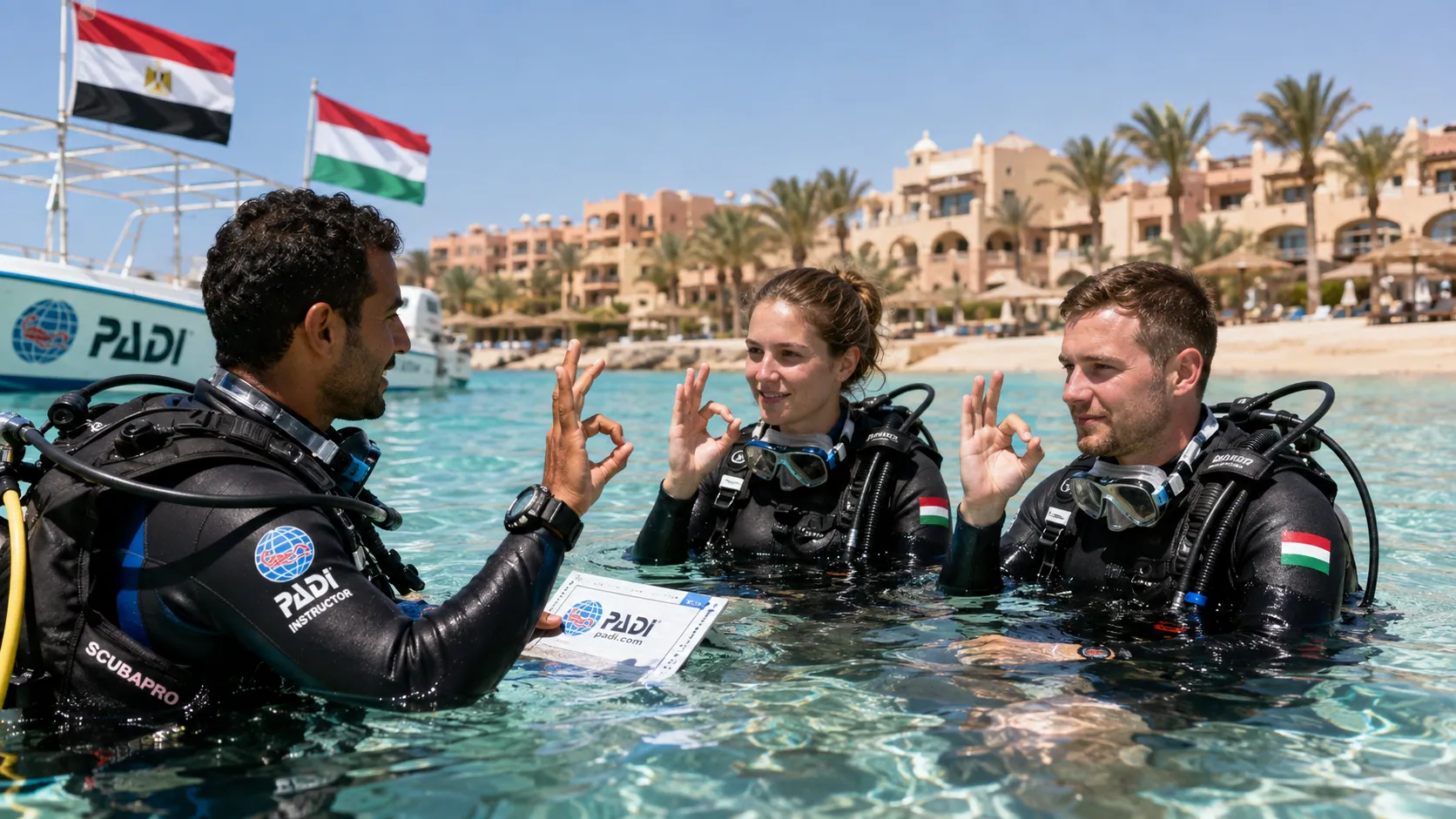
Carless Reef
An offshore twin-erg reef famous for its legendary moray colony – for experienced divers, weather permitting.
- Depth
- 12–30m
- Boat
- 70min
- Species
- 5
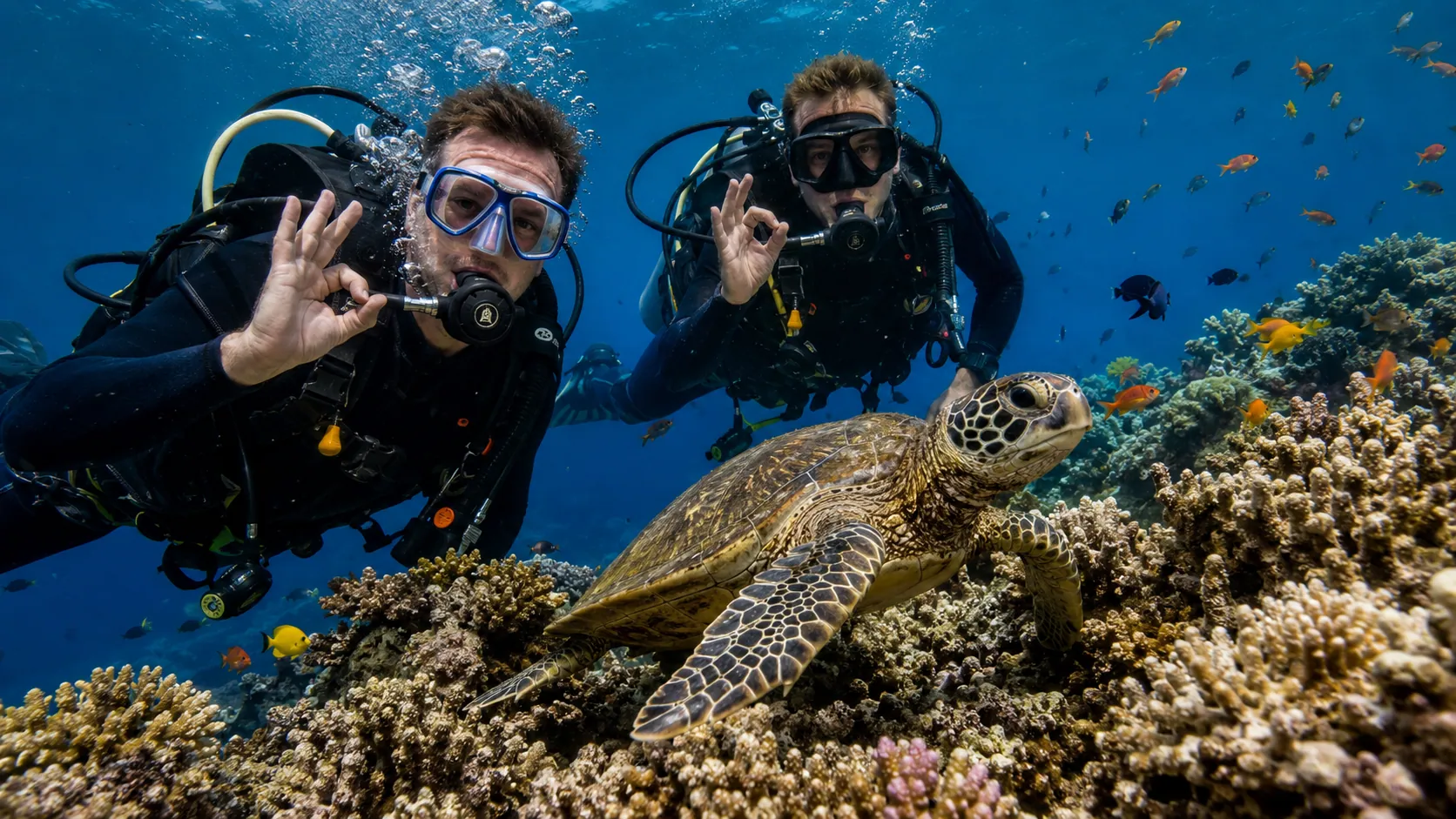
Umm Gamar
An elongated island in the north: a plateau with three coral towers, small caves and big predators out in the blue.
- Depth
- 10–30m
- Boat
- 75min
- Species
- 5
El Mina roncs
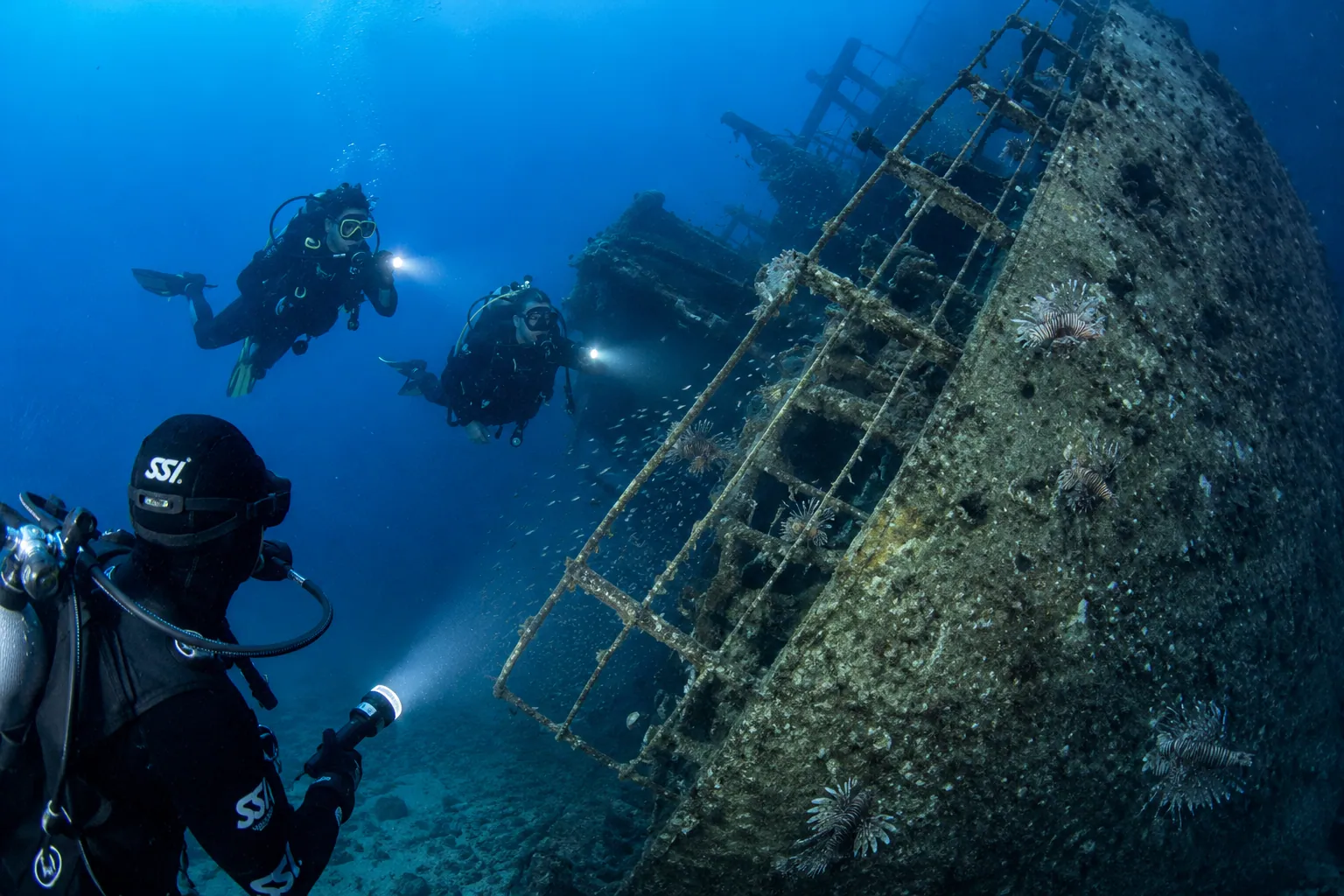
A genuine warship wreck 20 minutes from the marina: an Egyptian minesweeper sunk in 1969, resting on sand at 30 metres.
- Depth
- 16–30m
- Boat
- 20min
- Species
- 5
The Red Sea will not wait forever.
Book today – seats on the boat are limited, your excitement is not.